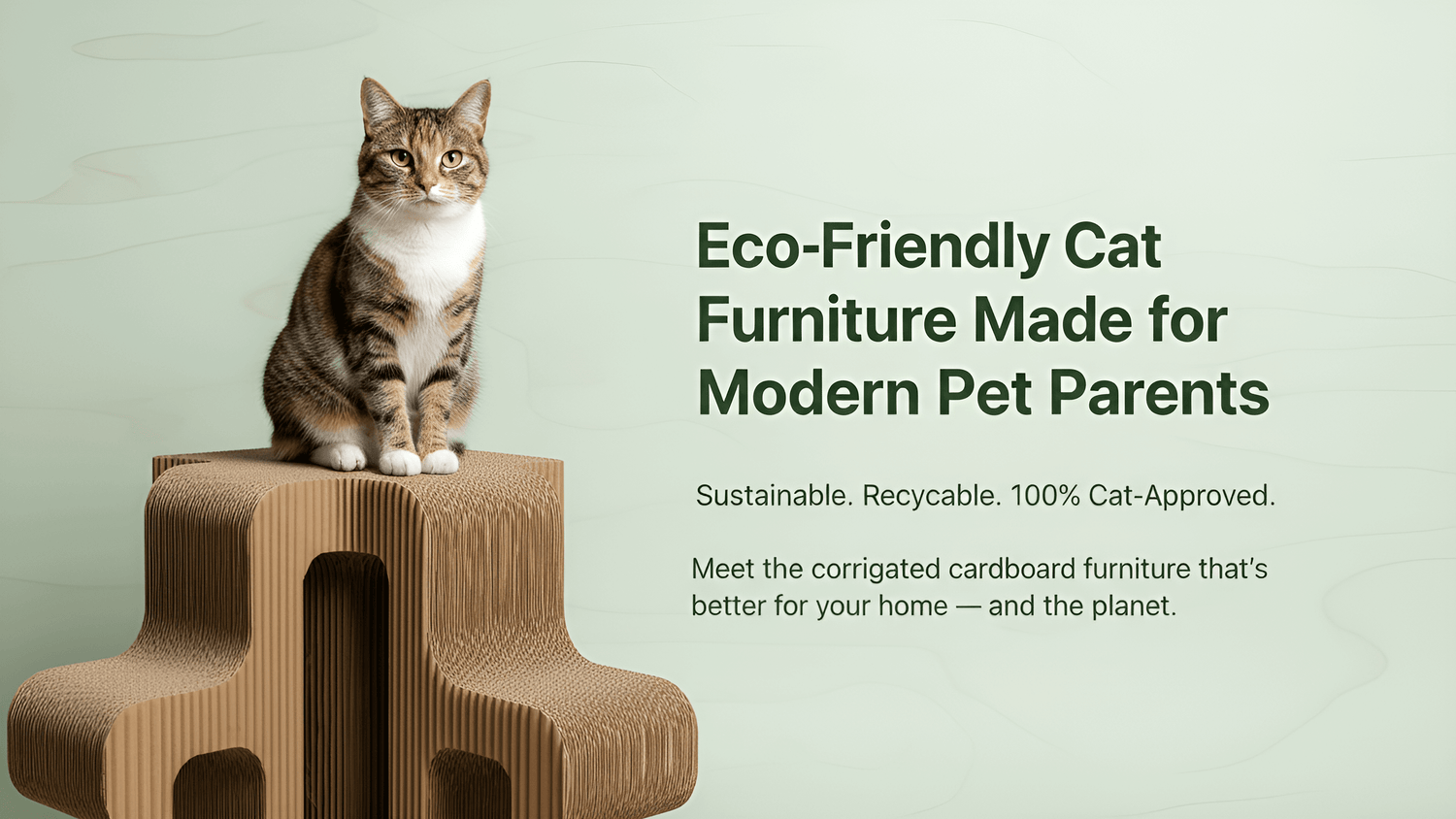
Are you a cat parent who cares not only about your feline’s happiness but also about the planet our little buddies live on? If yes, you’re going to love eco-friendly cat furniture — especially when it’s made from recycled, corrugated cardboard. Compared to bulky plastic, synthetic fur, or engineered wood cat towers, cardboard furniture offers a light, sustainable, and surprisingly cat-approved alternative.
In this guide, we’ll dig into why corrugated cardboard cat furniture is a win–win for both cats and Earth. We’ll show you how to pick truly sustainable products, explain the environmental and pet-health benefits, and help you understand what to look for to make the most eco-conscious purchase. By the end, you’ll see why so many Gen-Z and eco-minded pet parents are making the switch — and maybe why you’ll want to too.
The Hidden Problems With Traditional Cat Furniture
Plastic, Plush & Engineered Wood: High Carbon Footprint Materials
Traditional cat furniture — towers, condos, scratchers — often rely on materials like hard plastic, synthetic plush fabrics, carpet, and engineered wood or particle board. These materials present several environmental drawbacks:
● Plastic & synthetic fibers are derived from fossil fuels. Their production consumes a lot of energy, and once discarded, they can take centuries to decompose.
● Engineered wood or non-certified wood raises concerns around deforestation, forestry management, and resource depletion if not sourced sustainably.
● Many plastic/fur-covered cat towers are bulky and heavy, which means higher CO₂ emissions during shipping — especially problematic for global e-commerce or cross-border fulfillment.
For pet owners who care about sustainability, these “classic” designs clash with the values of resource conservation and low-impact living.
Waste and Landfill Impact After Disposal
Once such cat furniture reaches the end of its usable life — worn carpet, shredded plush, broken plastic parts — disposal becomes a problem. These items typically end up in landfills, where:
● Plastic and synthetic materials may take hundreds of years to break down.
● Even with recycling programs, plastic and mixed-material items often require sorting, cleaning, and specialized processing. Many get discarded instead.
● For frequent cat owners (or multi-cat households), repeated replacement leads to cumulative waste and a large environmental footprint.
That’s hardly aligned with a sustainable or “zero-waste” lifestyle.
Potential Toxins: Adhesives, Dyes, Formaldehyde
Another major concern — often overlooked — is safety. Some cat furniture uses glues, dyes, carpet treatments, or adhesives that contain harmful chemicals (like formaldehyde), volatile organic compounds (VOCs), or toxic dyes. For sensitive pets, this exposure can be risky. Moreover, once such furniture degrades, those chemicals may leach into the home environment.
For eco-conscious and health-conscious pet parents, prioritizing non-toxic materials is as important as choosing sustainable ones.

What Exactly Is Recycled / Corrugated Cardboard Cat Furniture?
How Recycled Cardboard Is Sourced (Post-consumer & Post-industrial)
Recycled cardboard cat furniture starts with waste paper products — used boxes, discarded paper, industrial cardboard scraps. These materials are collected, cleaned, and processed into corrugated cardboard sheets or blocks. This repurposing drastically reduces demand for virgin resources and helps divert waste from landfills.
Because cardboard is a renewable resource and can often be recycled multiple times (or composted when worn out), the lifecycle of the material fits well within a circular, low-waste model.
Corrugated Structure and Why Cats Love the Texture
What makes cardboard ideal for cats is not just the sustainability — it’s how it feels under their claws. The corrugated structure — alternating ridges and valleys — mimics textures cats instinctively love (think: tree bark or rough wood). This structure:
● Provides ideal resistance for scratching vs soft carpet or smooth plastic.
● Helps cats shed their old claw sheaths, revealing fresh, healthy claws, while satisfying their natural instinct to scratch and stretch.
● Offers mental enrichment — scratching, digging, clawing, even hiding — helping reduce boredom and stress.
So recycled corrugated cardboard isn’t just “green” — it’s also genuinely cat-approved.
Environmental Benefits of Cardboard Cat Furniture
Renewable, Recyclable & Biodegradable Material
Because recycled cardboard is made from paper, it’s inherently renewable and much easier to recycle than plastics. Once your cat has worn out the scratcher, you can often recycle it again or even compost it — a far cry from plastic or treated wood, which may be doomed for landfill.
This aligns perfectly with circular economy principles and the ethos of sustainable pet products. For eco-minded cat owners, that’s a huge plus.
Lower Carbon Footprint vs Wood and Plastic
Producing cardboard — especially recycled cardboard — requires significantly less energy than plastic production or processing engineered wood. Less energy consumption = lower carbon emissions.
Plus, because cardboard furniture tends to be lightweight, it’s cheaper and more carbon-efficient to transport. That matters a lot for global brands or independent shops — and for customers trying to minimize the carbon cost of shipping.
Lightweight = Lower Transportation Emissions & Easy Handling
Heavy cat towers made of wood or metal often require bulky packaging and heavy-duty shipping, which increases logistics emissions. Cardboard furniture, being lightweight and often flat-packable or modular, reduces shipping energy and carbon footprint.
For urban dwellers, renters, or frequent movers (many Gen-Z customers fall into these categories), the portability and lightness is a real advantage — and a strong selling point for sustainable lives.

Cat-Friendly Advantages
Perfect Scratching Texture That Mimics Tree Bark
Cats scratch for instinctual reasons — marking territory, maintaining claws, stretching their muscles. Corrugated cardboard’s ridged texture provides an ideal scratch surface with satisfying resistance, similar to bark or rough wood. Many cats prefer it over carpeted posts for its “give” and claw-shedding effectiveness.
This helps to keep claws healthy — overly long claws can cause pain or issues with grip; regular scratching helps shed old layers and maintain claw health.
Safe, Non-Toxic, and Gentle on Paws
Because many recycled cardboard cat products use only cardboard and food-safe, non-toxic adhesives, they avoid the harmful chemicals, dyes, and synthetic fibers found in many traditional cat towers.
This makes them especially suitable for households focused on pet health, non-toxic living, and minimalist, green lifestyles.
Great for Enrichment: Scratching, Hiding, Sitting & Exploring
Beyond scratching, cardboard furniture can double as loungers, hideouts, or playful hide-and-seek zones. Some designs include curved pads, tunnels, or hammocks — giving cats a cozy place to rest or play.
For indoor cats — especially those in apartments without access to outdoor climbing structures — this mental and physical stimulation matters. It reduces boredom, stress, and destructive behavior.
Easy to Clean and Replace
Since cardboard is lightweight and inexpensive, once a scratcher is worn out, it’s easy to replace. Many eco-friendly options are sold as replaceable inserts or modular systems, meaning you don’t have to throw away the whole structure — just the worn part.
This keeps maintenance simple while reducing overall material waste.
Durability and Smart Design Improvements
Replaceable Scratcher Inserts (Refillable Systems)
One major evolution in sustainable cat furniture is the addition of replaceable inserts: instead of buying a whole new scratcher, you just swap out the worn cardboard pad. This significantly extends the life of the base furniture frame and reduces waste. Many eco-friendly furniture makers now offer this refillable model.
Modular Cardboard Cat Towers
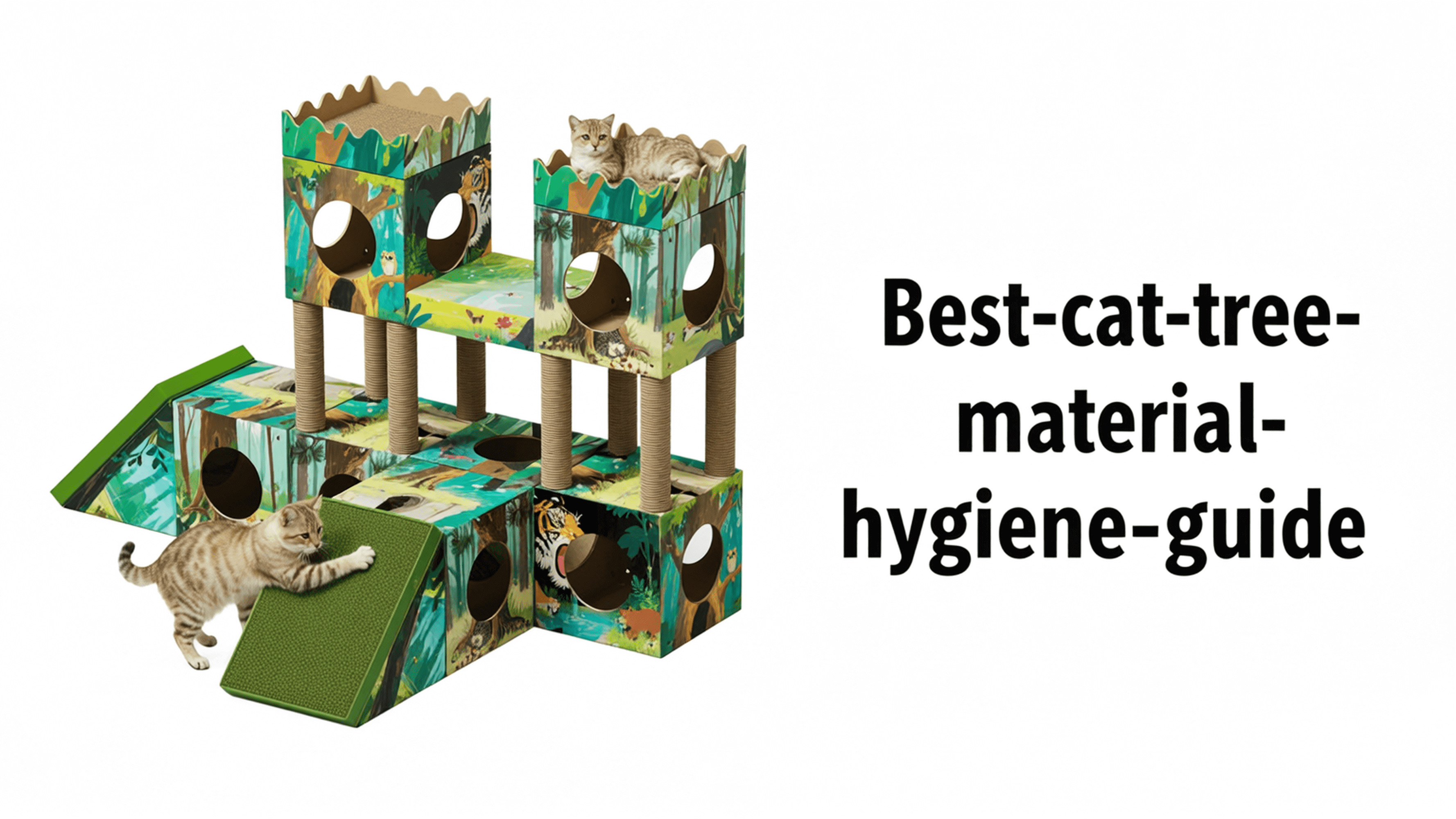
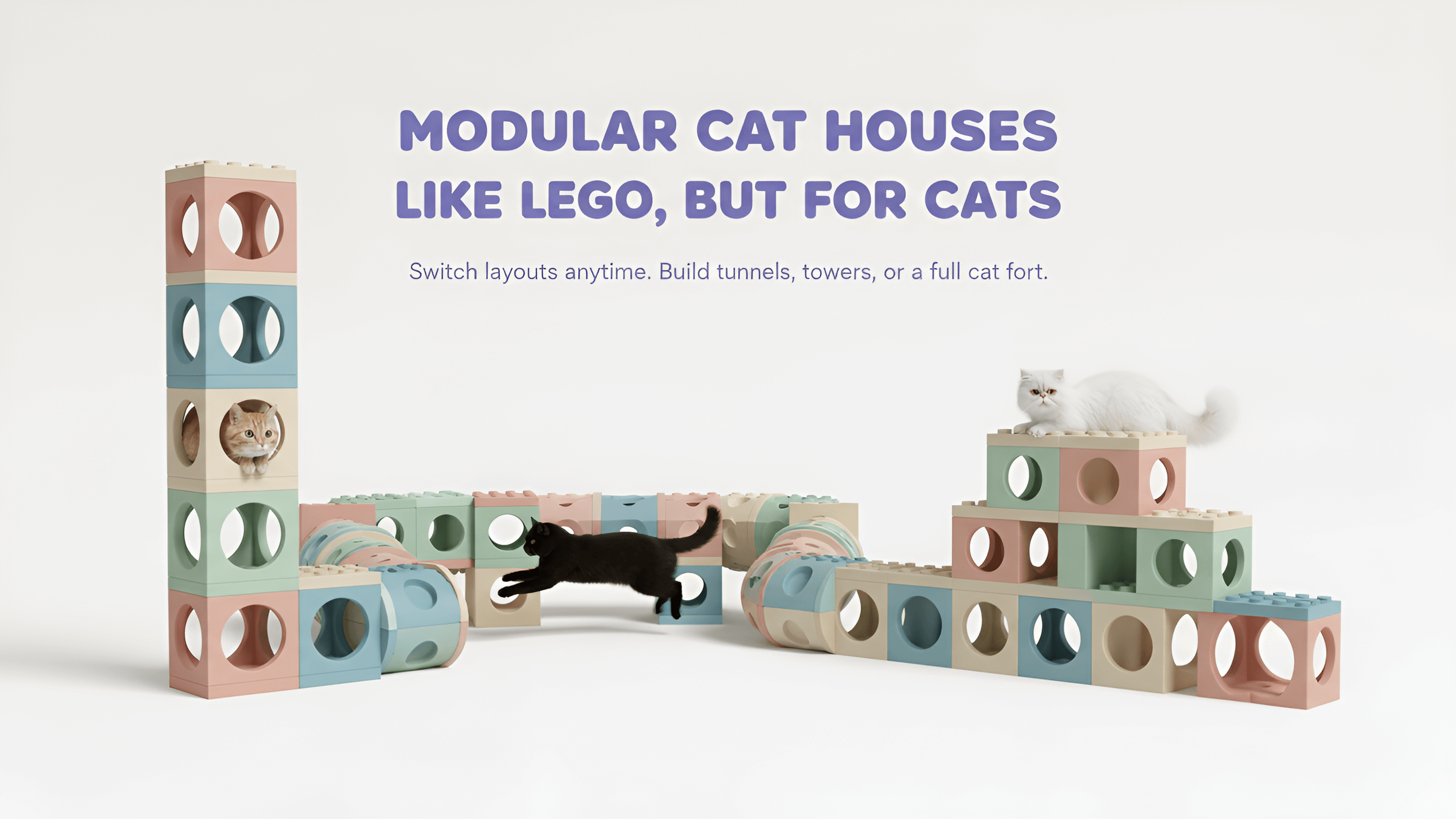
Another trend: modular, stackable designs made from recycled cardboard blocks or panels. These allow cat owners to build custom configurations based on space, cats’ preferences, or household changes. One such brand uses interlocking recycled cardboard blocks to create towers or shelves.
Multi-layer Construction for Heavier Cats
Although cardboard may sound "light," high-quality recycled corrugated cardboard furniture typically uses a multi-layered laminated structure reinforced with eco-friendly adhesives, enhancing its load-bearing capacity and durability. Many users report that these scratchers are durable and suitable for everyday use. If designed properly, they can perfectly meet the needs of adult cats, and even medium to large breeds.
Why Sustainable Pet Parents — Especially Gen Z — Prefer This
Eco-conscious Lifestyle Alignment
Gen Z and young consumers today are deeply value-driven. They care about ethical consumption, sustainability, and reducing their environmental footprint. Choosing eco-friendly cat furniture made from recycled cardboard aligns perfectly with those values: renewable materials, low waste, minimal carbon footprint.
It’s not just about “a product for cats” — it’s about demonstrating care for the planet, making a lifestyle choice that reflects personal values.
Affordable & Apartment-Friendly
Cardboard cat furniture tends to be much more affordable than bulky wood or metal towers.
Plus, because cardboard furniture is lightweight and portable, it fits well into small apartments, rental spaces, or frequently changing living arrangements — exactly the kind of lifestyle many young people have.
Social Values: Ethical Consumption, Low-Waste Living
Beyond price and practicality, there’s a social and ethical statement in choosing sustainable pet products. For many Gen Zers, buying recycled or biodegradable cat furniture isn’t just a purchase — it’s expressing identity: “I care about the planet, I care about my pet, and I’m willing to invest in a better future.”
That sense of identity and social responsibility — combined with real utility — makes recycled cardboard cat furniture uniquely appealing to eco-savvy consumers.
How to Choose a Truly Eco-Friendly Cat Scratcher
Look for 100% Recycled or FSC-certified Materials
Don’t assume all “cardboard” scratchers are equally green. The best ones are made from post-consumer or post-industrial recycled cardboard, or carry certifications like FSC (sustainable forestry certification) when wood-derived paper is used.
Check for Non-Toxic Glue and Dyes
Make sure adhesives and inks (if colored) are labeled food-safe, non-toxic, formaldehyde-free. Avoid products using synthetic dyes or unknown glues — these can release VOCs or toxins over time.
Prioritize Replaceable Inserts to Reduce Waste
Select cat furniture that provides refillable or modular parts — so you don’t have to throw away the whole piece when one part wears out. This extends product life and reduces waste significantly.
Common Misconceptions About Cardboard Cat Furniture
“Cardboard is flimsy” — The Truth About Layered Construction
Many potential adopters worry cardboard cat furniture won’t last. The reality: high-quality, multi-layer corrugated cardboard, properly compressed and glued with pet-safe adhesive, can be surprisingly sturdy and long-lasting. Some scratchers stay functional for many months even with frequent use.
“My cat will eat the cardboard” — Safety Facts & Tips
While occasional chewing or nibbling may happen, most cats treat cardboard as a scratching surface, not food. As long as adhesives/dyes are non-toxic, chewing isn’t usually harmful. If ingestion becomes frequent, remove the scratcher and consider vet advice — but for most cats it’s harmless.
Still, always monitor kittens and heavy chewers to ensure safety.
“It looks cheap” — Modern Design Options
Yes — early cardboard scratchers often looked like simple boxes or pads. But modern sustainable pet brands now offer stylish, modular, design-forward cardboard cat towers and scratchers that integrate into home decor rather than stick out like an eyesore.
With good design, cardboard furniture can be minimalist, chic — and eco-conscious.
Market Trends & Brand Examples
Brands Using Recycled Cardboard in Cat Towers
Several pet-furniture brands are leading the eco-shift: they build towers, scratchers, and lounge pads using recycled corrugated cardboard, non-toxic adhesives, and recyclable packaging. Their mission: give cats what they need without costing the earth.
Refillable Scratchers Becoming Mainstream
Refillable cat scratcher pads are becoming increasingly popular. Pet owners love them — they’re cost-effective, reduce waste, and extend the life of the base furniture. This model is gaining traction particularly among budget-conscious and eco-conscious consumers.
Rise of Sustainable Pet Products in 2024–2025
As global awareness of climate change and sustainable living grows, more pet owners are demanding environmentally-friendly choices — from food packaging to toys to furniture. The demand for sustainable pet products is rising, and recycled cardboard cat furniture is fast becoming a staple of that movement.
Key Takeaways
● Recycled corrugated cardboard cat furniture gives cats a satisfying scratching surface and significantly reduces environmental impact.
● Compared with plastic, carpet, or engineered wood, cardboard scratchers have lower carbon footprint, are renewable, recyclable, and biodegradable.
● High-quality cardboard furniture can be durable and cat-approved, offering scratching, lounging, hiding, and enrichment benefits.
● Replaceable inserts + modular designs extend product life and minimize waste — crucial for sustainable pet parenthood.
● For eco-conscious Gen Z and environmentally aware pet owners, cardboard cat furniture offers the perfect blend of ethics, practicality, price, and aesthetic.
FAQs
Q1: Are cardboard cat scratchers durable enough for adult or heavy cats?
A1:Yes — if made from multi-layer corrugated cardboard with proper compression and pet-safe adhesives, they can be surprisingly sturdy. Some users report scratchers lasting many months even under regular scratching.
Q2: Is recycled cardboard safe for cats? Could glue or ink be toxic?
A2:Most eco-friendly scratchers use food-safe, non-toxic glue and natural inks, making them safe for cats. Always check the product description and avoid items with unknown adhesives or synthetic dyes.
Q3: What happens when the scratcher wears out? Can it be recycled?
A3:Yes — one of the biggest advantages is easy recycling or composting at end-of-life. Many scratchers also offer refillable inserts so you don’t have to discard the whole item.
Q4: Do cats really prefer cardboard scratchers over traditional posts or carpet?
A4:Many cats do. The corrugated texture mimics natural rough surfaces like tree bark, giving the scratch with satisfying resistance and claw-sheath shedding. This helps keep claws healthy and reduces destructive scratching on furniture.
Q5: I worry cardboard scratchers look cheap or messy in my home — are there stylish, eco-friendly options?
A5: Absolutely. Modern sustainable pet brands now offer modular, design-forward cat towers and scratchers that blend into contemporary home décor, while still being fully recyclable and eco-friendly.
Conclusion & Call to Action
Switching to recycled cardboard cat furniture isn’t just a trend — it’s a conscious, meaningful decision for the planet, your cat, and your lifestyle. By choosing sustainable, recyclable, non-toxic furniture, you reduce waste, lower your carbon footprint, and provide your feline friend with a natural, satisfying way to scratch, play, and rest.
If you care about minimal waste, eco-friendly living, and giving your cat what nature intended, it’s time to make the switch. Explore cardboard cat scratchers and towers — maybe even consider modular or refillable designs — and join the growing movement of conscious pet parents.
Ready to go green with your cat’s next furniture upgrade? Take a look at sustainable cardboard scratchers today — for their paws, and for the planet.

Leave a comment
This site is protected by hCaptcha and the hCaptcha Privacy Policy and Terms of Service apply.