Quick answer
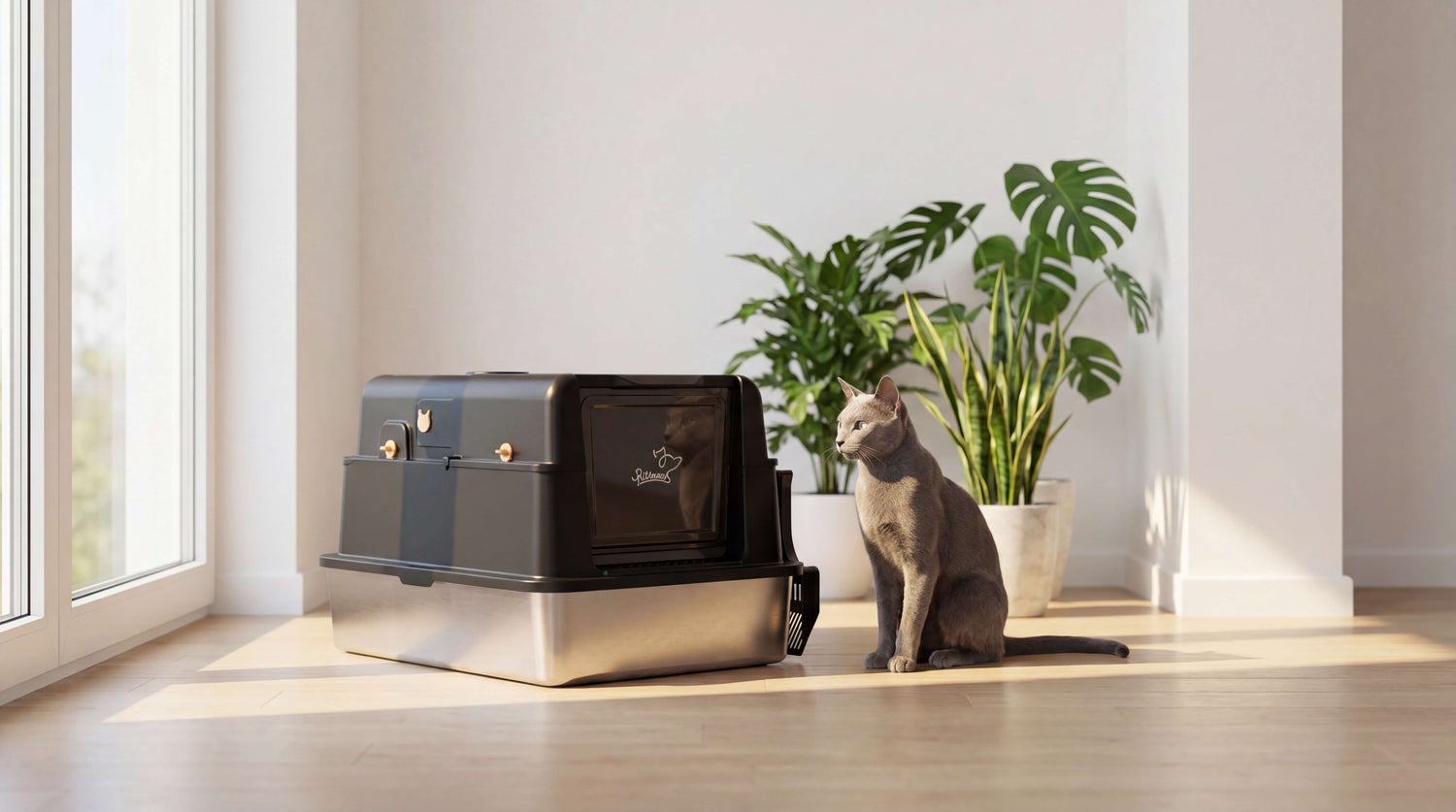
If you care about sustainability, the most useful question is not "Which litter box sounds greener?" It is "Which litter box will I use for longer with less replacement and less frustration?" By that standard, stainless steel often has a strong case because it tends to last longer and stay easier to clean over time.
Sustainability in pet care is rarely about one dramatic switch. It is about repeated decisions. A box that performs well for longer can mean fewer replacements, fewer emergency odor purchases, and less household waste over the years.
Think in replacement cycles, not just sticker price
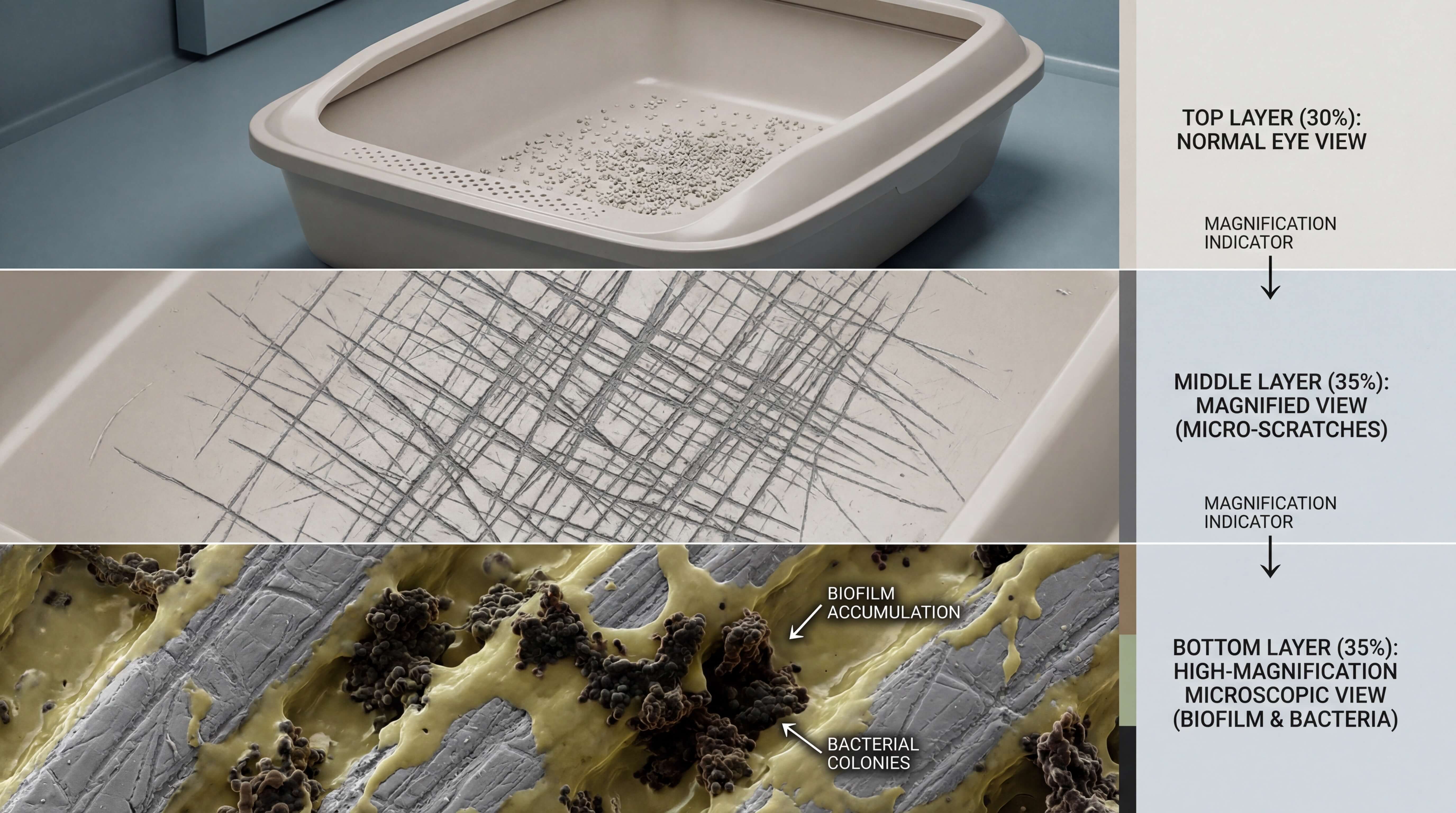
A very cheap litter box can look efficient at checkout and still become the less sustainable choice if you replace it repeatedly. This is especially true in high-use homes where scratching, staining, and odor buildup accelerate wear.
That does not make plastic "bad." It means durability is part of sustainability. The EPA's reducing and reusing basics reinforce a principle that applies nicely here: products that stay in use longer often reduce the need for repeated consumption.
If you are comparing everyday ownership rather than just day-one price, our stainless steel vs plastic litter box comparison gives a broader view of how that plays out in real cat homes.
Why stainless steel fits the long-life mindset
The main sustainability advantage of stainless steel in a litter box is not that it feels premium. It is that it can be a more durable base for a long-term setup.
A surface that stays easier to rinse and wipe clean is less likely to become a "replace it and move on" item. For homes with large cats, strong odor concerns, or multi-cat traffic, that matters even more. The more pressure a box takes, the more valuable longevity becomes.
This is why shoppers who care about waste reduction often end up favoring a sturdy stainless steel litter box for large cats rather than repeatedly cycling through cheaper pans that stop working well.
Durability also changes what you buy around the box
A box that is hard to keep fresh can trigger a chain of extra purchases: more odor products, more cleaning aids, more stopgap accessories, and eventually another box. A better-performing box does not eliminate every add-on, but it can reduce how often you feel the need to patch the setup.
That is where sustainability becomes practical instead of abstract. You are not just choosing a material. You are choosing a maintenance pattern.
Reuse and end-of-life still matter
Another reason stainless steel appeals to sustainability-minded shoppers is that it is widely recyclable. World Stainless highlights the recyclability of stainless steel as part of the material's circular value story.
Of course, end-of-life is not the whole picture. A recyclable item that is replaced constantly is still not ideal. The better outcome is to buy well, use the product for a long time, and then dispose of it responsibly if you truly need to replace it.
When plastic can still be the sensible choice
There are still cases where plastic is the more reasonable option. A temporary setup, a short-term foster use case, or a tight-budget home with one low-mess cat can make plastic the practical choice.
Sustainability is not about purity. It is about making fewer poor-fit purchases. If a household needs a lightweight box now and will reassess later, that can be a valid decision.
Choose the setup you are likely to keep
The most sustainable litter box is usually the one that truly fits your cat and survives daily life without turning into a constant problem. That means matching the box to the cat's body size, habits, and cleanup demands from the start.
If you want to compare current options, start with our cat litter box collection. If you already know the goal is a more durable long-term setup, the PalNests XXXL stainless steel litter box is the most direct path.
Final takeaway
A sustainable litter box choice is less about trendy eco language and more about durability, useful lifespan, and reduced replacement. Stainless steel earns its place in that conversation because it can stay functional and easier to maintain for longer.
If you are still in research mode, use this article as a long-term lens, then return to the main material comparison page to evaluate the tradeoffs with clearer priorities.


Leave a comment
This site is protected by hCaptcha and the hCaptcha Privacy Policy and Terms of Service apply.