Introduction: Is a Cardboard Cat Tree Really “Unreliable”?
The phrase cardboard cat tree often triggers immediate skepticism.
For many cat owners, cardboard is associated with shipping boxes, temporary scratching pads, or disposable toys — not something meant to support climbing, jumping, or long-term use.The concern sounds reasonable:
Can cardboard actually be safe, stable, or durable enough for a cat?
However, in feline behavior science and environmental enrichment research, material prestige is rarely the deciding factor. What matters more is whether a structure aligns with a cat’s instinctive needs, including scratching, vertical exploration, scent marking, and stress regulation.
This article takes a critical, evidence-based look at cardboard cat trees — not to promote them blindly, but to examine whether they are genuinely flawed, or simply misunderstood. By separating assumptions from function, we can better understand when cardboard designs are a poor choice — and when they may actually be a smart one.
1. Why Cats Are Naturally Drawn to Cardboard Structures
Cats do not interact with furniture the way humans do. Their preferences are driven by instinct, sensory feedback, and emotional security — not aesthetics or longevity.
1.1 Scratching Is Functional, Not Destructive
Scratching serves several essential purposes for cats:
● Claw maintenance by removing outer nail sheaths
● Territory marking through scent glands in the paws
● Emotional regulation, especially under stress
Cardboard offers a resistance level that allows claws to penetrate and shred without excessive force. This creates a satisfying tactile response that harder materials often fail to provide. From a behavioral standpoint, this feedback loop reinforces healthy scratching behavior rather than discouraging it.
1.2 Texture Often Matters More Than Durability
Studies on feline enrichment consistently show that cats prioritize texture and feedback over structural permanence. Corrugated cardboard mimics the fibrous resistance found in tree bark — a natural scratching surface for wild and feral cats.
This explains why many cats will ignore expensive hardwood furniture while repeatedly choosing cardboard-based scratching surfaces.
2. Structural Strength: How Strong Is a Cardboard Cat Tree, Really?
The assumption that cardboard equals weakness oversimplifies how engineered cardboard actually works.
2.1 Corrugated Cardboard Is an Engineered Material
High-quality cardboard cat trees use multi-layer corrugated board, designed to distribute weight vertically rather than laterally. When stacked and bonded correctly, this structure can support significant load relative to a cat’s body weight.
For context, an average adult domestic cat weighs between 4–6 kg (9–13 lbs). A properly constructed cardboard cat tree can safely support several times that amount when force is applied vertically.
2.2 Stability Depends on Design, Not Just Material
Most safety concerns associated with cardboard cat trees stem from poor design, not inherent material failure. Key factors include:
● Base width and weight distribution
● Interlocking or modular construction
● Compression resistance, not bending resistance
A well-designed cardboard structure prioritizes downward force, which cardboard handles far better than lateral torque.
3. Hygiene and Cleanliness: A Common but Misunderstood Concern
One of the strongest objections to cardboard cat trees is hygiene — specifically the belief that cardboard traps dirt, odors, and bacteria.
3.1 Cardboard Is Replaceable by Design
Unlike traditional cat trees, cardboard structures are often modular or consumable. This means:
● Scratching surfaces can be replaced once worn
● Heavily soiled sections can be removed entirely
● No long-term accumulation of odor inside foam or fabric
From a hygiene standpoint, replaceability can be more effective than attempting to clean materials that were never designed to be washed thoroughly.
3.2 Porosity Is Not Automatically a Health Risk
While cardboard is porous, this does not automatically make it unsafe. Indoor cats are not exposed to the same pathogens as outdoor animals, and routine replacement significantly reduces hygiene risks.
The real issue arises when cardboard products are used beyond their intended lifespan, not when they are used appropriately.
4. Environmental and Behavioral Advantages of Cardboard Designs
Beyond cost and texture, cardboard offers benefits that are often overlooked.
4.1 Lower Sensory Stress for Sensitive Cats
Many cats are sensitive to:
● Strong chemical odors
● Synthetic fabrics
● Slippery or cold surfaces
Cardboard is neutral in smell, matte in texture, and quiet under movement — making it especially suitable for anxious or senior cats.
4.2 Encourages Natural Destruction Behaviors
Cats are meant to destroy scratching surfaces. Cardboard allows this behavior without damaging household furniture, reinforcing appropriate outlets rather than suppressing instinct.
5. When a Cardboard Cat Tree Is the Wrong Choice
Despite its advantages, cardboard is not universally appropriate.
A cardboard cat tree may not be suitable if:
● The household has multiple large, highly active cats
● The cat frequently launches sideways jumps at height
● The owner expects multi-year, static durability
In these cases, hybrid designs — combining cardboard scratching modules with reinforced frames — may be more appropriate.
6. Cheap Toy or Smart Design Choice?
Labeling cardboard cat trees as “cheap” overlooks a critical point:
value is defined by function, not appearance.
For cats that prioritize scratching feedback, vertical access, and emotional comfort, cardboard can be a highly effective design material — when engineered properly and used intentionally.
The smarter question is not “Is cardboard inferior?” but rather:
“Does this design serve my cat’s actual needs?”
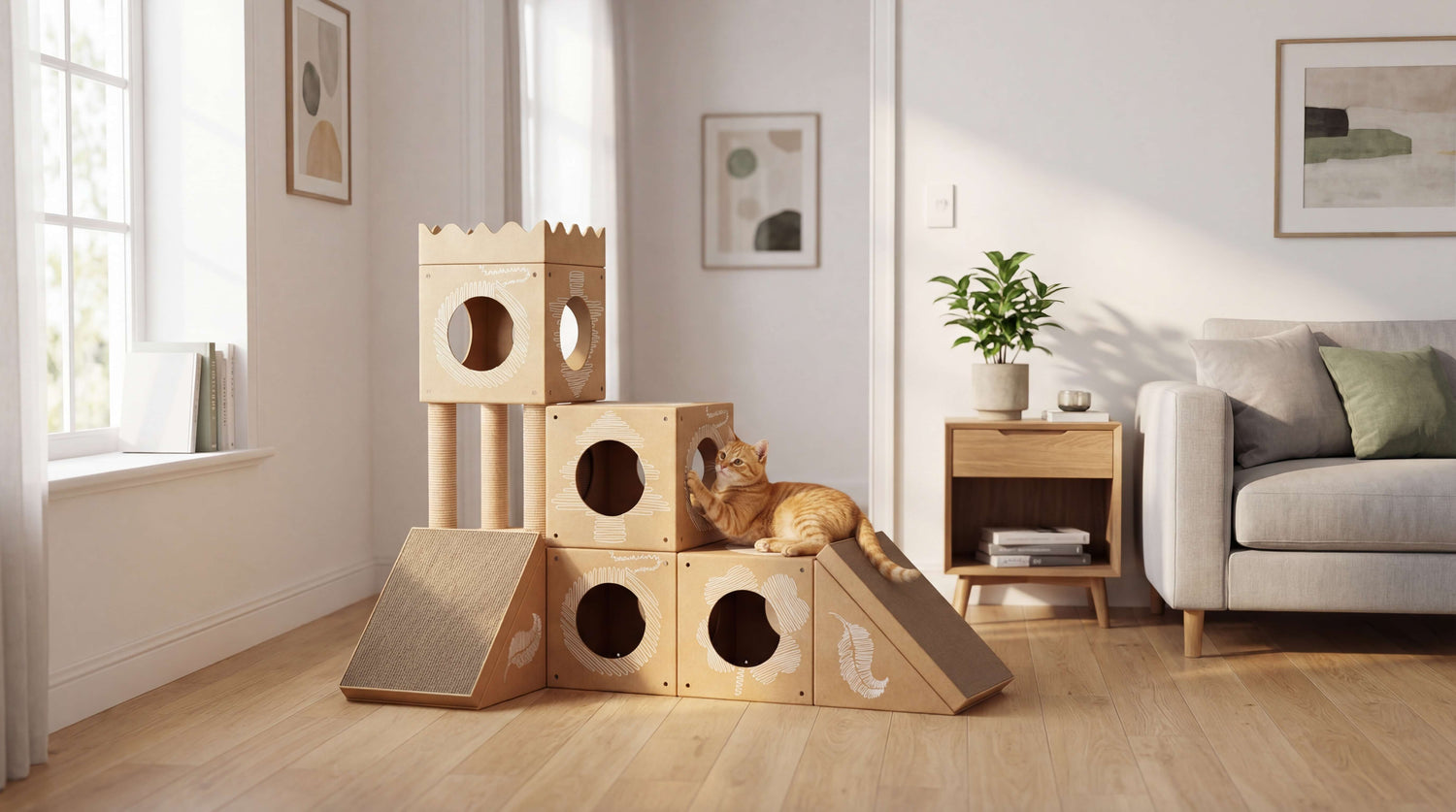
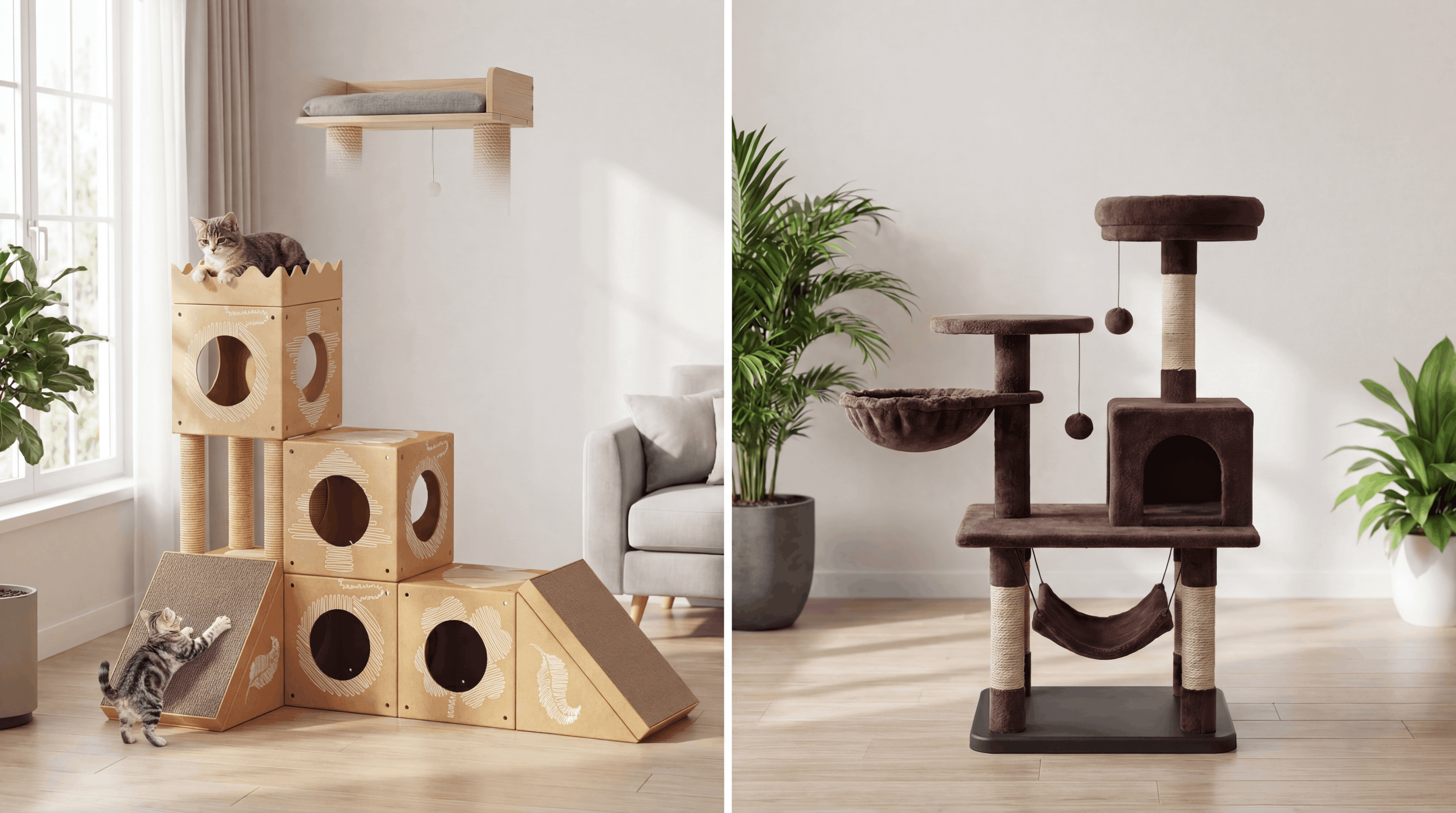
A great example of a well-engineered cardboard cat tree is the PalNests 3-in-1 Modular Cardboard Cat Tree & Scratcher House. Made with high-density corrugated cardboard and a modular design, it offers excellent scratching feedback, strong vertical stability, and easy panel replacement for long-term hygiene. Many owners find it strikes the perfect balance between affordability, durability, and cat satisfaction.
Conclusion
Cardboard cat trees are often misunderstood. At a glance, they look cheap — and that initial impression leads many owners to dismiss them outright. But when you evaluate them through the lens of feline behavior, tactile feedback, modular maintenance, and environmental enrichment, the story changes.
Cats don’t judge materials the way humans do. What matters to them is:
● How satisfying scratching feels
● Whether the surface gives sensory feedback
● How secure they feel climbing or perching
Cardboard cat trees — especially those built with high-density corrugated panels and thoughtful modular design — meet these needs in ways traditional carpeted posts and wooden towers often fail.
That doesn’t mean cardboard is perfect in every use case. Larger cats, multi-cat homes, or heavy jumpers may still benefit from hybrid or reinforced designs. But for the majority of indoor cat families — especially those concerned about value, hygiene, and design flexibility — cardboard cat trees are more than just a cheap toy. They are a smart design choice rooted in how cats actually behave.
If you’re curious whether your cat would prefer this over traditional setups, try placing a cardboard scratching panel next to existing furniture and watch how they choose.
FAQs (Frequently Asked Questions)
Q1: Are cardboard cat trees durable enough for daily use?
Yes — high-density corrugated cardboard can withstand regular scratching and perching when well-designed. Panels are often replaceable, extending useful life.
Q2: Do cats use cardboard cat trees as much as traditional ones?
Many indoor cats engage more with cardboard surfaces because of the tactile feedback and noise they produce, which mimics natural textures cats enjoy. Long-term engagement can match or exceed traditional materials.
Q3: Are cardboard cat trees hygienic?
Cardboard should be replaced periodically, but its modular parts make deep cleaning easier compared to carpeted towers that trap fur and odors.
Q4: Is cardboard safe for cats?
Yes — as long as the cardboard is untreated, non-toxic, and free of harmful glues or inks. High-quality designs use cat-safe materials.
Q5: Can cardboard cat trees support larger cats?
Properly engineered cardboard structures with reinforced cores can support heavy cats, but extremely large multi-cat households might benefit from reinforced bases or hybrid structures.

Leave a comment
This site is protected by hCaptcha and the hCaptcha Privacy Policy and Terms of Service apply.