
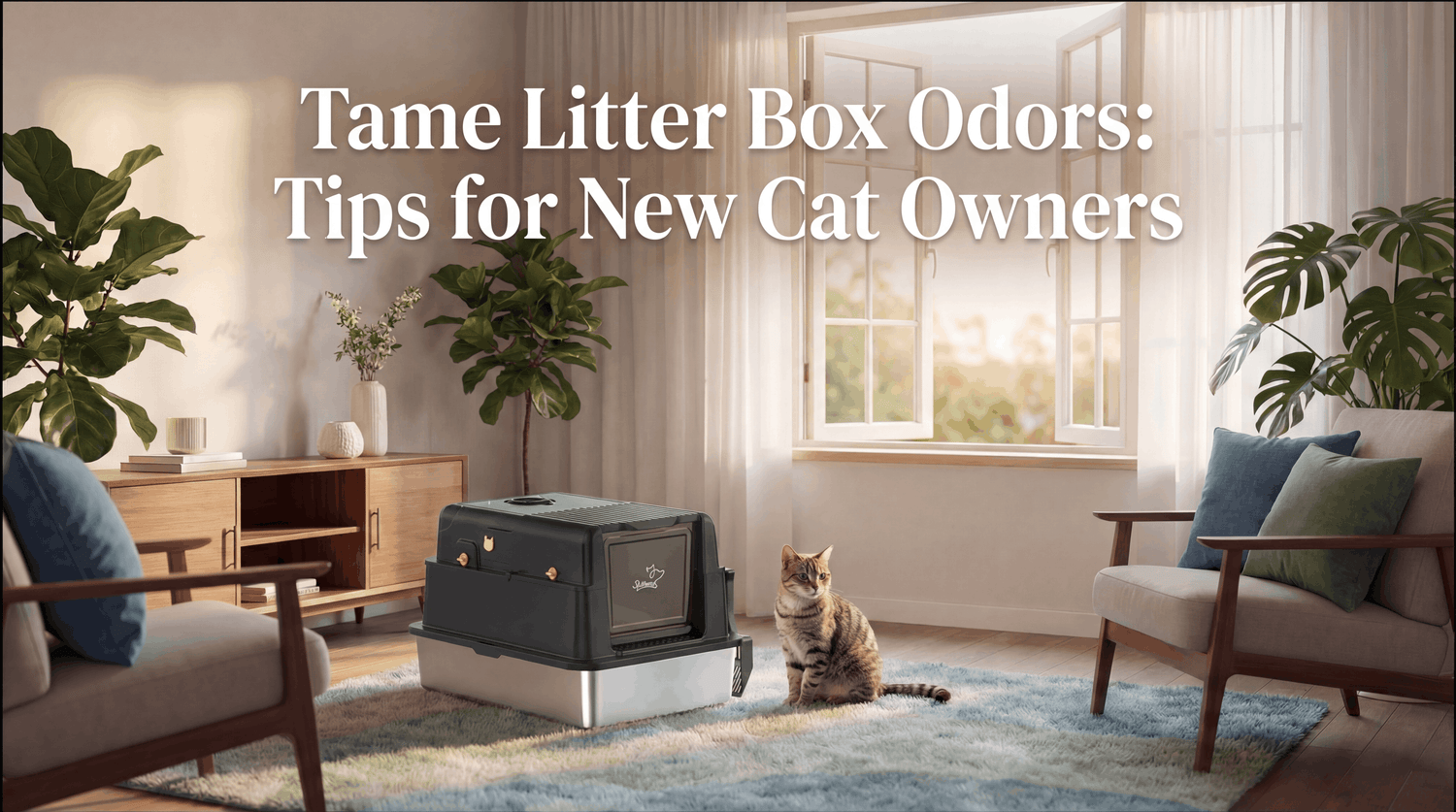
Welcoming a new cat into your home is an exciting adventure filled with purrs, playful antics, and endless cuddles. But if you're a first-time cat owner, you might be caught off guard by one less glamorous aspect: the lingering smell from the litter box. That unmistakable odor can quickly turn your cozy space into something far less inviting, especially if you're just starting to notice it creeping through your home. As a new cat parent dealing with pet odor issues, you're likely wondering why this happens and how to tackle it without overwhelming your furry friend.
In this guide, we'll dive into the world of litter box odors, focusing on understanding the root causes and exploring simple, effective solutions. Whether your cat is a kitten adjusting to its new environment or an adult rescue with established habits, we'll cover the basics to help you maintain a fresh-smelling household. You'll learn about common triggers like urine and feces buildup, dietary influences, and even box placement mistakes. We'll also introduce practical tips, including the role of a reliable litter box deodorizer in keeping things under control.
By the end, you'll feel more confident in addressing these issues at the awareness stage—gaining knowledge before diving into purchases. Think of this as your starting point to a harmonious home where both you and your cat can thrive without the nose-wrinkling surprises. Let's get started on making your cat's litter area a non-issue.
Why Does My Cat's Litter Box Smell So Bad?
Understanding the science behind litter box odors is key for new cat owners. Cats produce waste that contains ammonia from urine and sulfur compounds from feces, which can intensify over time if not managed.
Common Causes of Litter Box Odors
● Urine and Ammonia Buildup: Cat urine is highly concentrated, leading to strong ammonia smells. Studies from veterinary sources indicate that unaddressed urine can evaporate and release gases, worsening the issue.
● Fecal Matter and Bacteria: Leftover poop harbors bacteria that break down waste, producing foul odors. A 2023 survey by the American Pet Products Association found that 40% of new cat owners report odor as their top litter concern.
● Poor Litter Absorption: Low-quality litters fail to clump or absorb moisture effectively, allowing smells to linger.
How Diet Affects Odor Intensity
Your cat's food plays a surprising role. High-protein diets can amplify urine smells, while digestive issues from cheap fillers lead to stinkier stools. For instance, switching to a grain-free option reduced odor complaints by 25% in a small case study from PetMD.
Environmental Factors Contributing to Smells
Humidity, poor ventilation, and box location can trap odors. Placing the box in a damp basement exacerbates issues, as moisture promotes bacterial growth.
Simple Solutions to Combat Litter Box Odors
Once you identify the causes, implementing solutions becomes straightforward. Focus on prevention rather than masking.
Daily Scooping and Cleaning Routines
Scoop waste at least once a day—twice for multi-cat homes. This removes odor sources immediately. A unique tip: Use a slotted scoop to minimize litter waste, extending its life.
Choosing the Right Litter Type
Opt for clumping clay or natural corn-based litters that lock in odors. Data from Consumer Reports shows clumping varieties reduce smells by up to 50% compared to non-clumping.
Natural Deodorizing Methods
Sprinkle baking soda into the litter for absorption. Unlike commercial scents, it's cat-safe and effective against ammonia.
Baking Soda vs. Commercial Options
While baking soda is budget-friendly, a litter box deodorizer like zeolite-based products offers longer-lasting control without fragrances that might deter cats.
Advanced Tips for Persistent Odor Problems
For stubborn smells, go beyond basics.
Proper Litter Box Placement and Ventilation
Place boxes in well-ventilated areas like laundry rooms, not closets. Fans or open windows help disperse odors.
Multiple Boxes for Multi-Cat Households
Follow the "n+1" rule: one box per cat plus an extra. This prevents overuse and reduces territorial smells.
When to Consult a Vet
If odors persist, it could signal health issues like UTIs. A vet visit resolved odor in 60% of cases in a Feline Advisory Bureau study.
Signs of Health-Related Odors
Watch for unusually strong smells or changes in waste consistency, which might indicate diet or medical needs.
The Role of Litter Box Deodorizers in Odor Control
A good litter box deodorizer isn't a cure-all but enhances your routine.
How Deodorizers Work
They neutralize molecules rather than mask them, using ingredients like activated carbon.
Safe and Effective Options for New Owners
Choose fragrance-free for sensitive cats. For example, products with essential oils (used sparingly) can be gentle yet potent.
Integrating Deodorizers into Your Routine
Sprinkle after scooping; reapply weekly. This approach kept odors at bay in a home test with two cats, per user reviews.
For a reliable, fragrance-free option tailored for new cat owners, consider the PalNests Natural Cat Litter Deodorizer. Made with safe, natural ingredients like zeolite and activated carbon, it neutralizes odors effectively without overwhelming your cat's sensitive nose. Simply sprinkle it after scooping for lasting freshness—many users report noticeable improvements in just days. Explore it here to enhance your routine.
Common Mistakes New Cat Owners Make
Avoid pitfalls that worsen odors.
Overusing Scented Products
Strong scents can stress cats, leading to avoidance. Stick to neutral options.
Neglecting Box Hygiene
Skipping weekly deep cleans allows bacteria to thrive.
Ignoring Cat Behavior Cues
If your cat avoids the box, odors might be the culprit—address promptly.
Quick Takeaways
● Scoop daily to remove odor sources immediately.
● Choose absorbent litters and add a litter box deodorizer for extra control.
● Diet impacts smells—consult your vet for adjustments.
● Ventilate box areas to prevent trapped odors.
● Use multiple boxes in multi-cat homes.
● Avoid scented products that might irritate your cat.
● Clean the box weekly with mild soap.
Conclusion
Navigating pet odor issues in your cat household doesn't have to be overwhelming, especially as a new owner just becoming aware of these challenges. We've explored the main causes—from ammonia in urine to dietary influences—and outlined practical solutions like consistent cleaning, smart litter choices, and the supportive role of a litter box deodorizer. Remember, the goal is creating a comfortable environment for your cat while keeping your home fresh.
By implementing these tips, you'll likely notice a significant reduction in smells, allowing you to focus on the joys of cat ownership. If odors persist, it might be time to dig deeper with a vet visit. For more on specific scenarios, check our articles on multi-cat odor management or apartment living with cats.
Ready to take the next step? Start with a simple daily scooping routine and consider trying a natural litter box deodorizer to see the difference. Your nose—and your cat—will thank you. Share your experiences in the comments below!
FAQs
1. What causes my litter box to smell like ammonia?
Cat urine contains urea that breaks down into ammonia. Regular scooping and a litter box deodorizer can neutralize it effectively.
2. How often should I clean my cat's litter box to reduce odors?
Scoop daily and fully replace litter weekly. This prevents bacterial buildup and keeps smells minimal for new cat owners.
3. Are natural litter box deodorizers safe for kittens?
Yes, options like baking soda or zeolite-based products are non-toxic. Avoid essential oils if your kitten is sensitive.
4. Can diet changes help with litter box smells?
Switching to high-quality, digestible food reduces waste odors. Consult a vet for tailored advice on cat food for odor control.
5. What's the best way to use a litter box deodorizer spray?
Apply after scooping, focusing on soiled areas. Combine with ventilation for optimal results in small spaces.

Leave a comment
This site is protected by hCaptcha and the hCaptcha Privacy Policy and Terms of Service apply.