
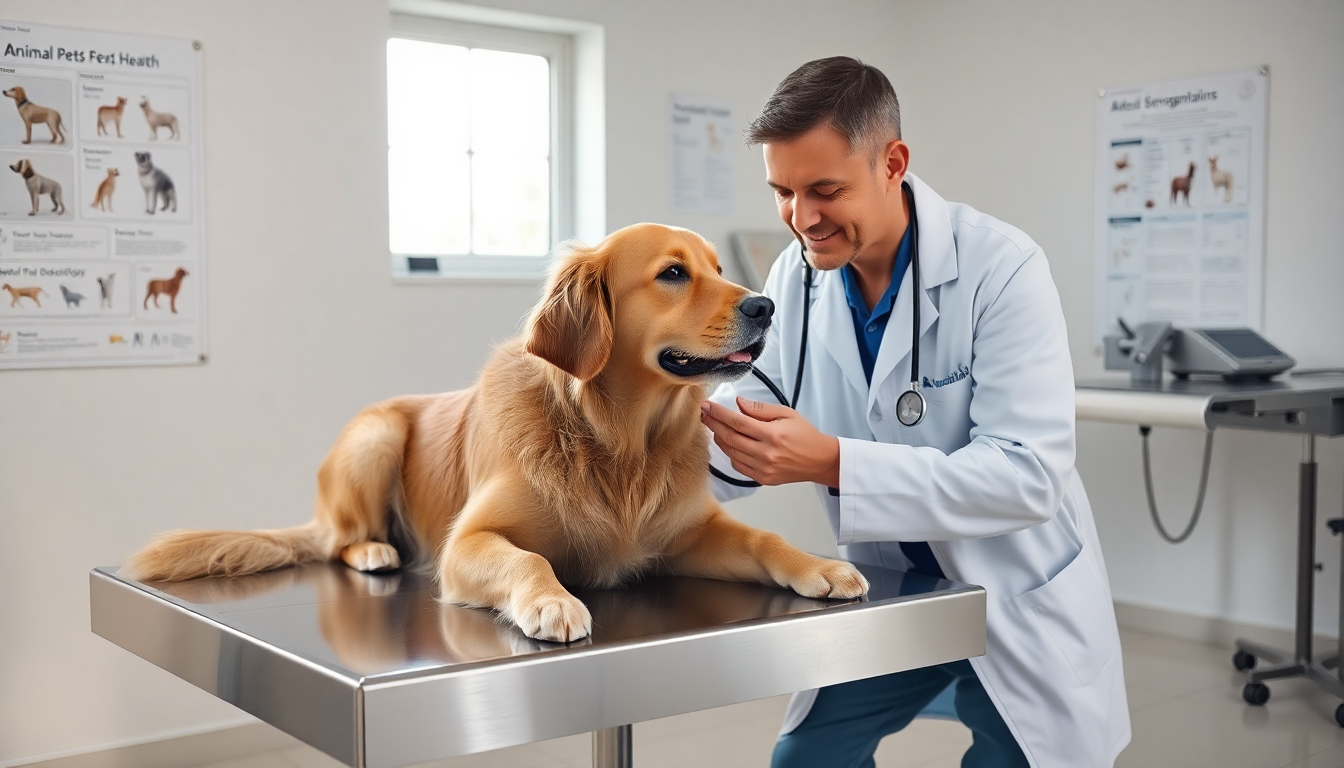
As pet owners, we want nothing more than to ensure the health and happiness of our furry companions. However, our pets can't always tell us when something is wrong, making it challenging to detect hidden health problems early on. From subtle behavioral changes to seemingly minor symptoms, there are often early warning signs that pet owners need to be vigilant about.
In this blog post, we'll explore some of the most common hidden health issues in pets and provide practical tips on how to monitor your pet's well-being and catch problems before they become serious.
Navigating the Challenges of Detecting Hidden Health Problems in Pets
Pets, like humans, can develop a wide range of health conditions, some of which may not be immediately obvious. Whether it's a chronic illness like kidney disease or a more acute issue like cancer, our furry friends can't always communicate their discomfort or pain. This makes it crucial for pet owners to be proactive and attentive to even the slightest changes in their pet's behavior or physical condition.
One of the main reasons it's so difficult to detect hidden health problems in pets is that they are often masters at hiding their symptoms. As prey animals, cats and dogs have evolved to conceal signs of weakness or illness, as this could make them vulnerable to predators in the wild. This instinctive behavior can carry over to our domestic pets, making it challenging for us to recognize when something is amiss.
Additionally, many health conditions in pets develop gradually, with subtle changes that can be easy to miss or dismiss as normal aging. It's not uncommon for pet owners to attribute changes in their pet's activity level, appetite, or grooming habits to simply getting older, when in reality, these could be early indicators of an underlying problem.
Common Hidden Health Problems in Pets
While pets can develop a wide range of health issues, some conditions are more commonly hidden or difficult to detect in the early stages. Here are a few examples:
Kidney Disease
Kidney disease is a common problem in both cats and dogs, and it can often go unnoticed until the condition has progressed significantly. Early signs of kidney disease may include increased thirst and urination, weight loss, and decreased appetite, which can be easy to overlook or attribute to other factors.
Cancer
Cancer is another health concern that can be challenging to detect in pets, especially in the early stages. Symptoms may be vague, such as lethargy, weight loss, or changes in appetite, and can be mistaken for normal aging or other less serious conditions.
Arthritis
Arthritis is a painful and debilitating condition that affects many older pets, but it can also develop in younger animals due to injury or congenital factors. Subtle signs of arthritis, such as reluctance to jump or climb, stiffness, or decreased activity, can be easy to miss or dismiss as normal aging.
Signs to Look Out For: Recognizing Early Symptoms of Health Problems in Pets
While our pets may not be able to tell us directly when something is wrong, there are often telltale signs that can alert us to potential health issues. By being attentive to even the smallest changes in your pet's behavior or physical condition, you can increase the chances of catching problems early and seeking prompt veterinary care.
Some of the key signs to watch for include:
- Changes in appetite or water intake
- Alterations in sleep patterns or activity levels
- Shifts in grooming habits or coat condition
- Unusual vocalizations or behavioral changes
- Reluctance to exercise or play
- Weight loss or gain
- Vomiting, diarrhea, or other gastrointestinal issues
- Lameness or difficulty moving
It's important to note that these symptoms can be indicative of a wide range of health conditions, so it's crucial to have your pet examined by a veterinarian if you notice any concerning changes.
Proactive Monitoring: Keeping a Close Eye on Your Pet's Health
Preventing and detecting hidden health problems in pets requires a proactive approach from pet owners. Regular veterinary check-ups are essential, as they allow your vet to establish a baseline for your pet's health and identify any potential issues early on.
In addition to scheduled vet visits, there are simple steps you can take at home to monitor your pet's well-being:
- Conduct regular physical examinations, checking for any changes in your pet's body condition, coat, eyes, ears, and other areas.
- Observe your pet's behavior and activity levels, taking note of any deviations from their normal routine.
- Keep track of your pet's appetite, water intake, and bathroom habits, as changes in these areas can be early indicators of health problems.
- Consider investing in a pet health monitoring app or device that can help you track your pet's vital signs and activity levels over time.
By staying vigilant and proactively monitoring your pet's health, you'll be better equipped to detect any hidden issues and seek veterinary care before they become more serious.
Conclusion: Prioritizing Your Pet's Health and Well-Being
Keeping our pets healthy and happy is a top priority for all pet owners. While it can be challenging to detect hidden health problems in our furry companions, being attentive to even the slightest changes and taking a proactive approach to monitoring their well-being can make a significant difference.
By understanding the common hidden health issues in pets, recognizing the early warning signs, and implementing regular check-ups and at-home monitoring, you can help ensure your pet's long-term health and well-being. Remember, the key to catching hidden problems early is to stay vigilant and trust your instincts as a pet owner – if something seems off, don't hesitate to consult your veterinarian.
With the right knowledge and a commitment to your pet's care, you can help uncover any hidden health issues and provide your furry friend with the best possible quality of life.



Leave a comment
This site is protected by hCaptcha and the hCaptcha Privacy Policy and Terms of Service apply.