
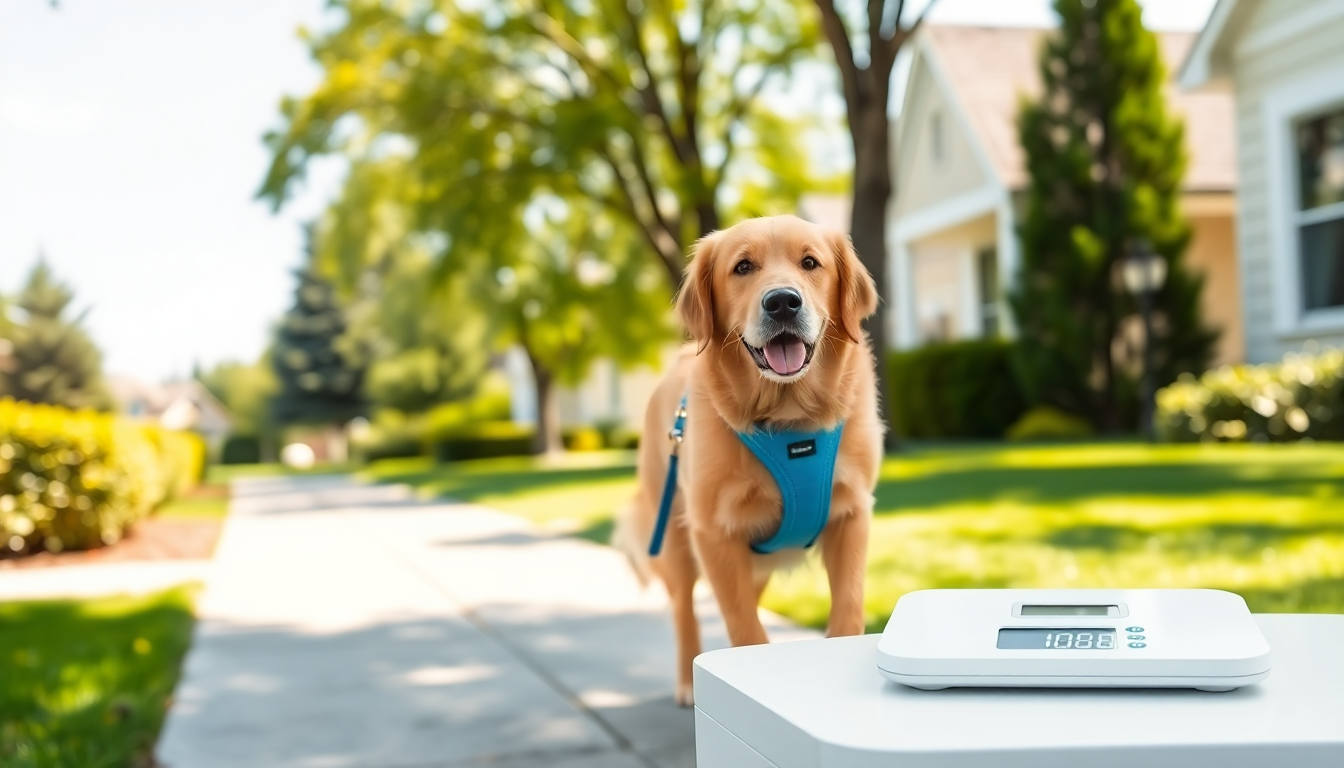
As pet owners, we want nothing more than to see our furry companions happy and healthy. However, in today's world, where convenience and indulgence often take precedence, pet obesity has become an increasingly prevalent issue. Carrying extra weight can put a strain on our pets' overall well-being, leading to a host of health problems. That's why it's crucial to understand the importance of managing your pet's weight and take proactive steps to ensure they maintain a healthy lifestyle.
Recognizing the Signs of Overweight Pets
The first step in managing your pet's weight is to recognize the signs of obesity. For dogs, you should be able to feel their ribs without excessive fat covering, and their waist should be visible when viewed from above. Cats, on the other hand, should have a noticeable waistline and a tucked-in abdomen. If your pet's body shape appears rounded or their belly is sagging, it's a clear indication that they may be carrying extra weight.
Additionally, look for other telltale signs, such as decreased activity levels, difficulty breathing, and joint pain. Overweight pets may also be more prone to skin and coat issues, as excess weight can put additional stress on their bodies.
Developing a Weight Management Strategy
Once you've identified that your pet is overweight, it's time to develop a comprehensive weight management strategy. This involves a combination of proper diet, portion control, and regular exercise.
Portion Control and Balanced Diets
Overfeeding is one of the primary contributors to pet obesity. It's essential to carefully measure your pet's food and stick to the recommended serving sizes on the packaging. If your pet seems to be constantly hungry, consider switching to a high-quality, low-calorie diet that will keep them feeling full without packing on the pounds.
When selecting a pet food, look for formulas that are rich in protein and fiber, as these nutrients can help your pet feel satisfied for longer. Avoid foods high in carbohydrates and unhealthy fats, as these can lead to weight gain and other health issues.
Incorporating Regular Exercise
Regular physical activity is crucial for maintaining a healthy weight in pets. Depending on your pet's breed, age, and overall fitness level, aim for at least 30 minutes of exercise per day, such as brisk walks, playtime, or interactive toys.
For dogs, consider taking them on longer walks, playing fetch, or enrolling them in agility training. Cats, on the other hand, may enjoy chasing laser pointers, climbing cat trees, or engaging in interactive play with their owners.
Remember to start slowly and gradually increase the duration and intensity of your pet's exercise routine to avoid injury or burnout.
Preventive Measures for Lifelong Health
While managing an overweight pet is important, it's equally crucial to take proactive steps to prevent weight gain in the first place. This involves establishing healthy habits from an early age and maintaining them throughout your pet's life.
Balanced Diets and Portion Control
Ensure that your pet's diet is balanced and appropriate for their age, breed, and activity level. Stick to the recommended serving sizes and avoid overfeeding, even if your pet seems particularly enthusiastic about mealtime.
Regular Exercise and Playtime
Make physical activity a regular part of your pet's routine. Incorporate a variety of activities, such as walks, playtime, and interactive toys, to keep them engaged and motivated.
Routine Veterinary Checkups
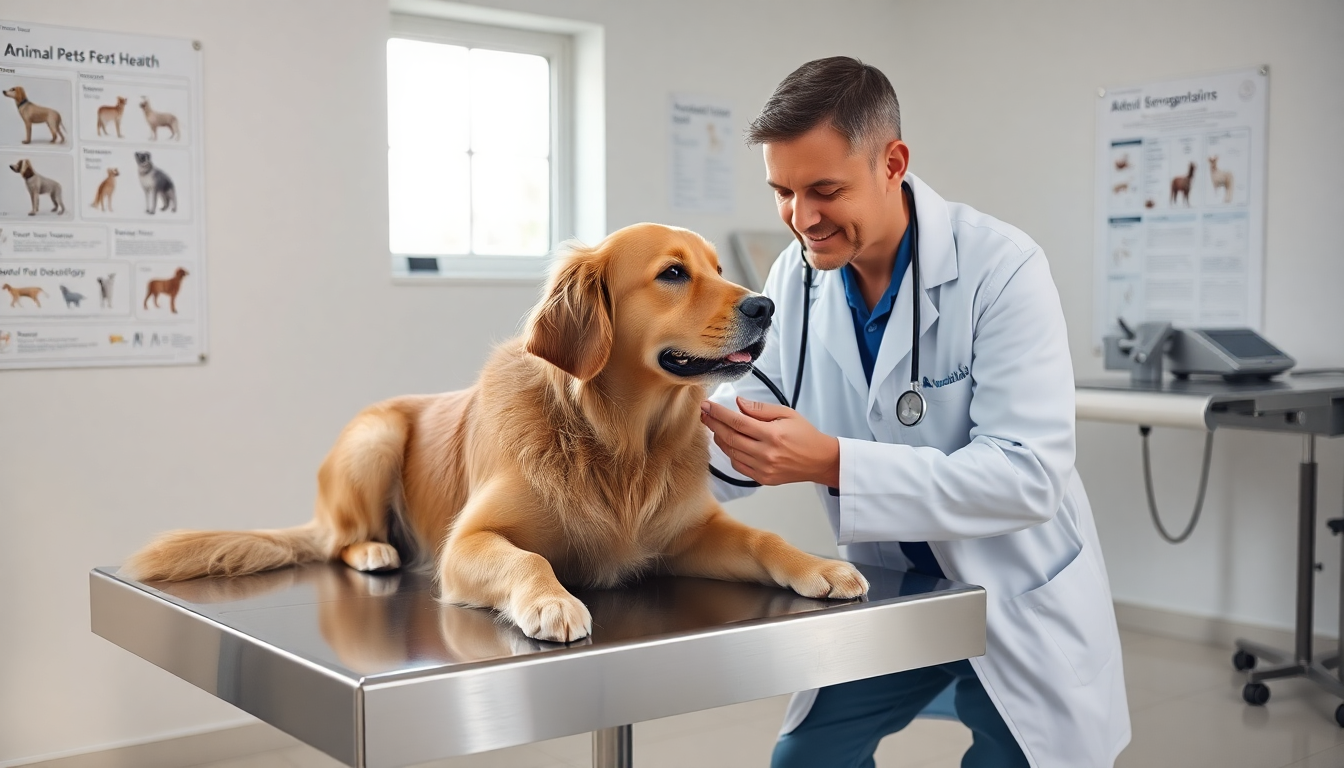
Regular visits to the veterinarian can help you monitor your pet's weight and overall health. Your vet can provide personalized advice on maintaining a healthy weight and address any underlying medical conditions that may be contributing to weight gain.
Conclusion
Keeping your pet at a healthy weight is not just about aesthetics; it's a crucial aspect of their overall well-being. By recognizing the signs of obesity, developing a comprehensive weight management strategy, and implementing preventive measures, you can help your furry friend live a longer, happier, and healthier life.
Remember, every pet is unique, and what works for one may not work for another. Be patient, adaptable, and work closely with your veterinarian to find the best approach for your beloved companion. With dedication and care, you can ensure your pet remains fit, active, and full of life for years to come.


Leave a comment
This site is protected by hCaptcha and the hCaptcha Privacy Policy and Terms of Service apply.