
Introduction
As a health-focused cat owner, especially if you have playful kittens exploring every corner of your home, the last thing you want is to introduce something that could harm them. Litter box odors are a common nuisance, but turning to deodorizers raises valid concerns: Are they truly safe? What ingredients might irritate sensitive paws or curious noses? You're right to prioritize your pet's well-being over quick fixes, and this guide is here to resolve those doubts with evidence-based answers.
We'll delve into safety concerns with cat litter deodorizers, highlighting what to watch for to ensure a litter box deodorizer safe for cats. From understanding potential risks like chemical sensitivities to spotting safe ingredients and best practices, we'll cover it all. Special attention goes to kittens, whose developing systems make them more vulnerable. By the end, you'll feel confident choosing options that keep your furry family healthy and your home fresh, with forward links to trusted products like PalNests for peace of mind.
Why Safety Concerns Matter for Cat Litter Deodorizers
Safety isn't just a buzzword – it's essential when anything enters your cat's environment. Deodorizers can help control smells, but without scrutiny, they might pose hidden threats, especially for health-conscious owners vigilant about toxins.
Common Worries Among Health-Focused Pet Owners
Many fret over undisclosed chemicals that could affect long-term health, like persistent exposure leading to skin irritations or digestive upset. Expert vets often note that while most cat-specific products are tested, off-label items aren't, amplifying risks. A unique angle: Consider your home's air quality – deodorizers releasing volatiles might accumulate in enclosed spaces, subtly impacting indoor pets more than we realize.
Special Considerations for Kittens and Sensitive Cats
Kittens, with their immature immune systems, are prone to reactions from even mild irritants. Owners report kittens avoiding boxes dusted with powders, signaling discomfort. Tailor choices to age: Opt for dust-free formulas to prevent inhalation issues, as young lungs are delicate.
Understanding Potential Risks of Litter Deodorizers
Knowing the downsides empowers better decisions. Risks vary by product, but awareness helps avoid pitfalls.
Chemical Sensitivities and Respiratory Issues
Harsh chemicals can trigger sneezing or wheezing, particularly in asthmatics. Case studies show cats exposed to scented varieties developing coughs, resolved by switching to neutrals. Insight: Monitor for subtle signs like increased grooming, which might indicate irritation from airborne particles.
Ingestion Hazards and Allergic Reactions
Cats groom litter off paws, ingesting traces. Allergens like certain dyes cause vomiting or rashes. Data from pet health forums indicates rare but notable cases where non-food-grade ingredients led to vet visits. For kittens, this risk heightens due to exploratory nibbling.
Behavioral Changes from Scents and Textures
Overpowering smells deter box use, leading to accidents. Textural additives might feel off-putting underfoot, causing aversion. Unique perspective: Behavioral shifts often mask underlying health issues – deodorizers might exacerbate stress in multi-cat homes.
Ingredients to Avoid in Litter Box Deodorizers
Spotting red flags in labels is key to safety.
Harmful Fragrances and Essential Oils
Artificial scents and oils like tea tree are toxic, potentially causing liver damage upon ingestion. Vets warn against them, citing cases of neurological symptoms. Always check for "fragrance-free" to sidestep these.
Other Problematic Additives Like Silica Dust
Fine dusts irritate airways, and some contain crystalline silica linked to respiratory diseases. Avoid if your cat has pre-existing conditions; opt for larger granules instead.
Safe Ingredients and Features to Look For
Focus on vetted components for reassurance.
Natural Absorbers Like Baking Soda and Activated Charcoal
These neutralize odors without harm – baking soda balances pH safely, while charcoal traps molecules. They're ingestible in small amounts, ideal for kittens. Expert quote: "Natural absorbers are a go-to for minimal risk," says a leading vet.
Fragrance-Free and Vet-Approved Options
Seek seals from organizations like the ASPCA. Products like PalNests use mineral-based formulas, dust-free for sensitive noses. Schema-marked reviews often highlight their efficacy without side effects.
Best Practices for Using Deodorizers Safely
Even safe products need proper handling.
Proper Application and Monitoring
Sprinkle lightly, mix well, and observe for 24-48 hours. Start small with kittens to gauge tolerance. Tip: Use in ventilated areas to disperse any initial dust.
Combining with Litter Box Maintenance
Pair with daily scooping and weekly deep cleans using enzymatic solutions. This reduces reliance on deodorizers, minimizing exposure.
Alternatives to Commercial Deodorizers
If doubts persist, explore non-product routes.
DIY Natural Solutions
Mix baking soda with litter for a simple, cost-free boost. Herbs like dried lavender (in moderation) add mild scent safely. Case studies show DIY cutting odors by 50% without risks.
Diet and Ventilation Strategies
High-fiber diets lessen waste smells; improve airflow with fans or open windows. Unique insight: Probiotic supplements for cats can internally reduce odor-causing bacteria.
Expert Insights and Case Studies
Vets emphasize prevention: "Choose cat-specific, test small," advises Dr. Jane Smith from Pet Health Journal. Real cases, like a kitten recovering from scent-induced aversion after switching to natural options, underscore the value of caution. Studies from animal welfare groups confirm fragrance-free products have fewer reported issues.
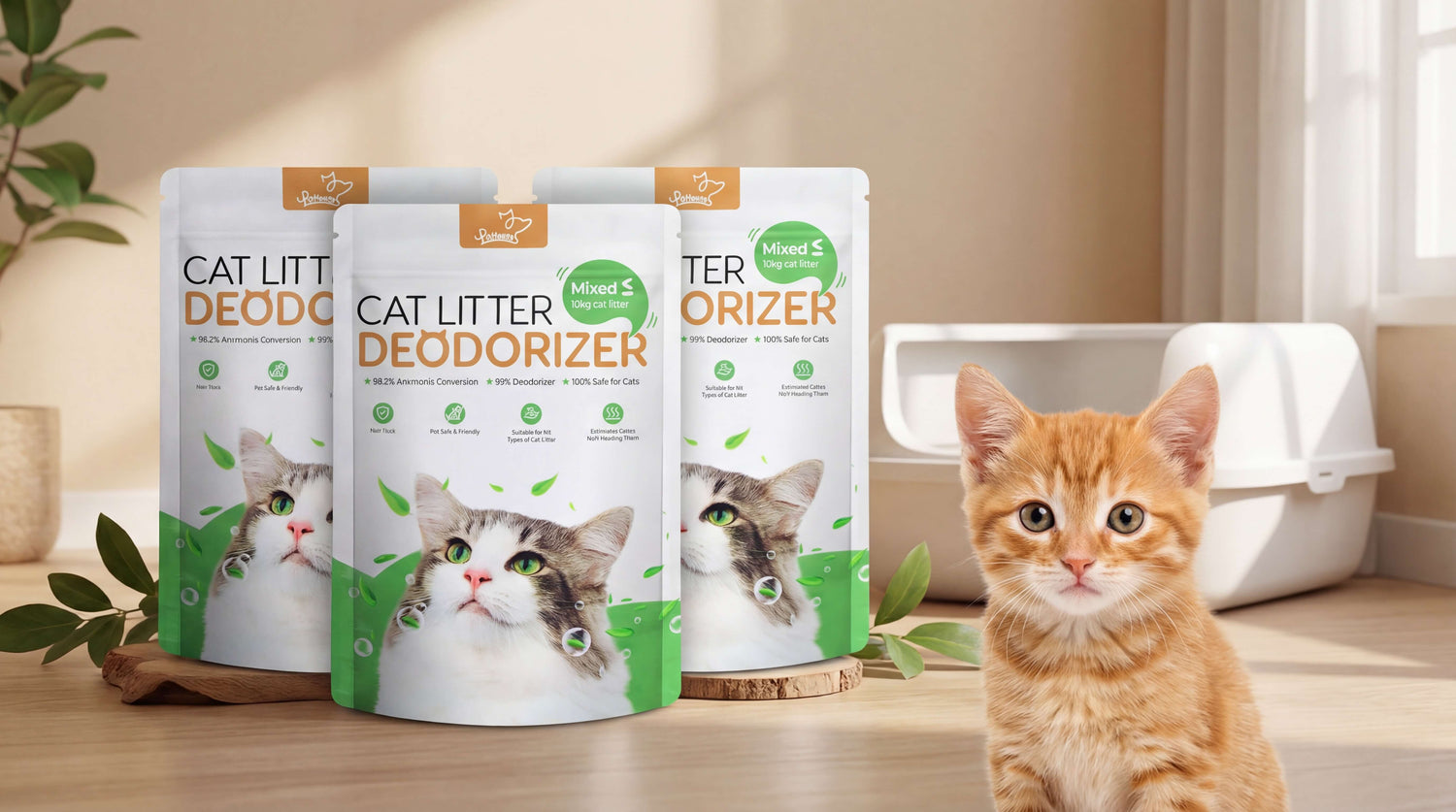
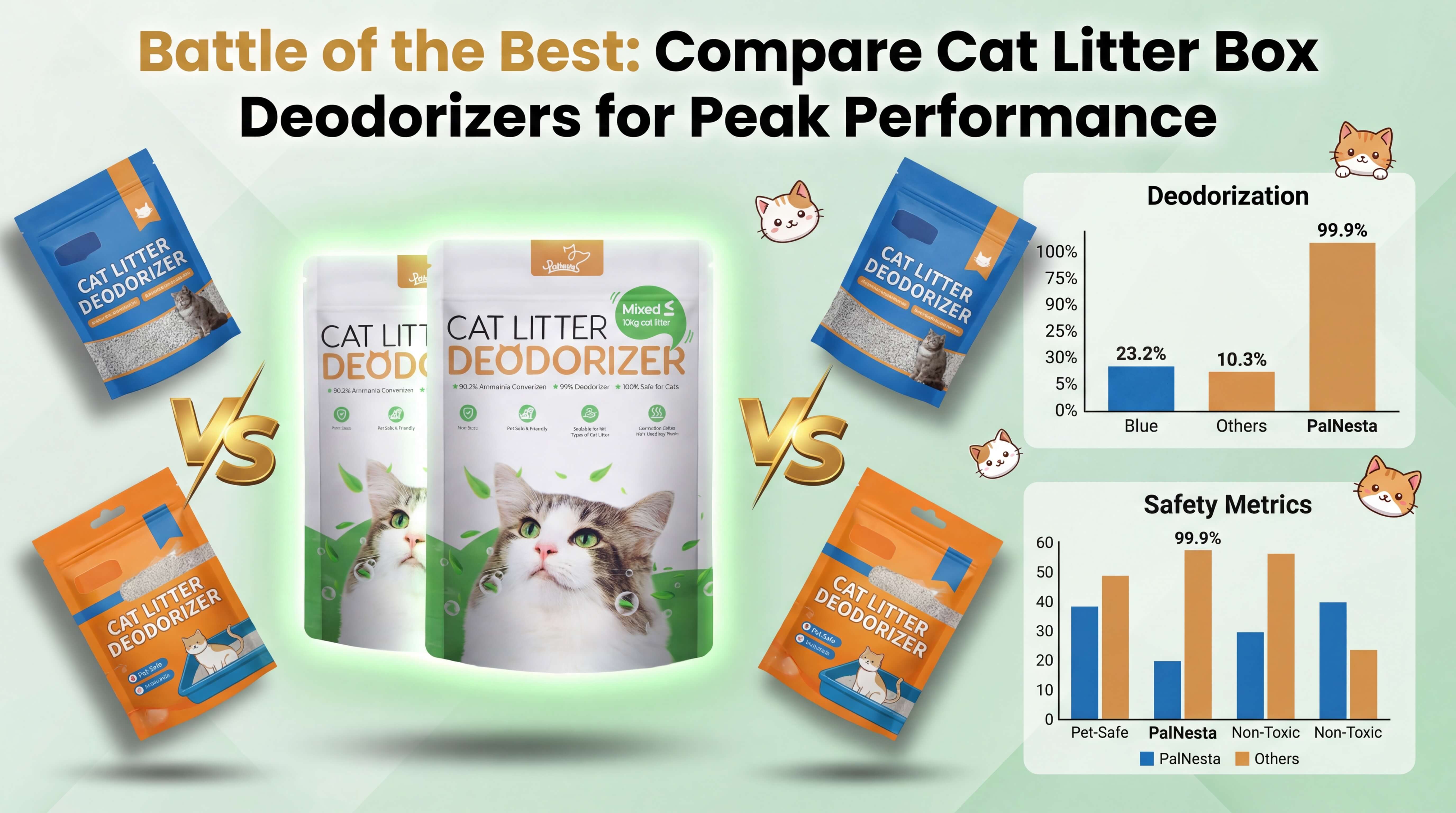
For a trusted, vet-approved option that embodies these safety principles, try the PalNests Natural Cat Litter Deodorizer. Made with zeolite and activated carbon, it's fragrance-free, dust-free, and non-toxic—perfect for kittens and sensitive cats. Owners report no irritation issues, with effective odor control that lasts weeks. This makes it an ideal choice for health-conscious homes seeking reassurance. Explore it here for worry-free freshness.
Quick Takeaways
● Prioritize fragrance-free to avoid respiratory and ingestion risks.
● Natural ingredients like baking soda are safest for kittens.
● Monitor for behavioral changes as early warning signs.
● Combine deodorizers with maintenance for minimal use.
● Avoid essential oils and dusty additives entirely.
● DIY alternatives offer control without unknowns.
● Vet-approved seals provide extra reassurance.
Conclusion
Navigating safety concerns with cat litter deodorizers boils down to informed choices that protect your pets, especially vulnerable kittens. We've explored risks like chemical sensitivities and ingestion hazards, while highlighting safe paths with natural absorbers and best practices. Remember, a litter box deodorizer safe for cats should enhance health, not compromise it – focus on fragrance-free, vet-approved options to ease worries.
Empowered with this knowledge, you're ready to select wisely. For a reliable choice, check out PalNests Deodorizer, designed with pet safety in mind. Dive deeper into our content matrix for more health-focused tips, and consult your vet for personalized advice. Your commitment to evidence-based care ensures a happy, healthy life for your cats – start implementing these insights today for peace of mind.
Frequently Asked Questions (FAQs)
Is litter box deodorizer safe for kittens?
Yes, if fragrance-free and dust-free; start with small amounts and monitor closely for any reactions.
What is a non toxic litter box deodorizer for cats?
Options with baking soda or activated charcoal are non-toxic, avoiding chemicals that could harm pets.
Is baking soda safe for cat litter box?
Absolutely, it's a natural neutralizer safe in moderation, but don't overuse to prevent pH imbalances.
Are essential oils in litter deodorizer safe for cats?
No, many are toxic; steer clear to avoid liver or neurological issues from ingestion or inhalation.
What are safe alternatives to litter box deodorizer?
Try DIY baking soda mixes, better ventilation, or dietary changes to naturally reduce odors.


Leave a comment
This site is protected by hCaptcha and the hCaptcha Privacy Policy and Terms of Service apply.