
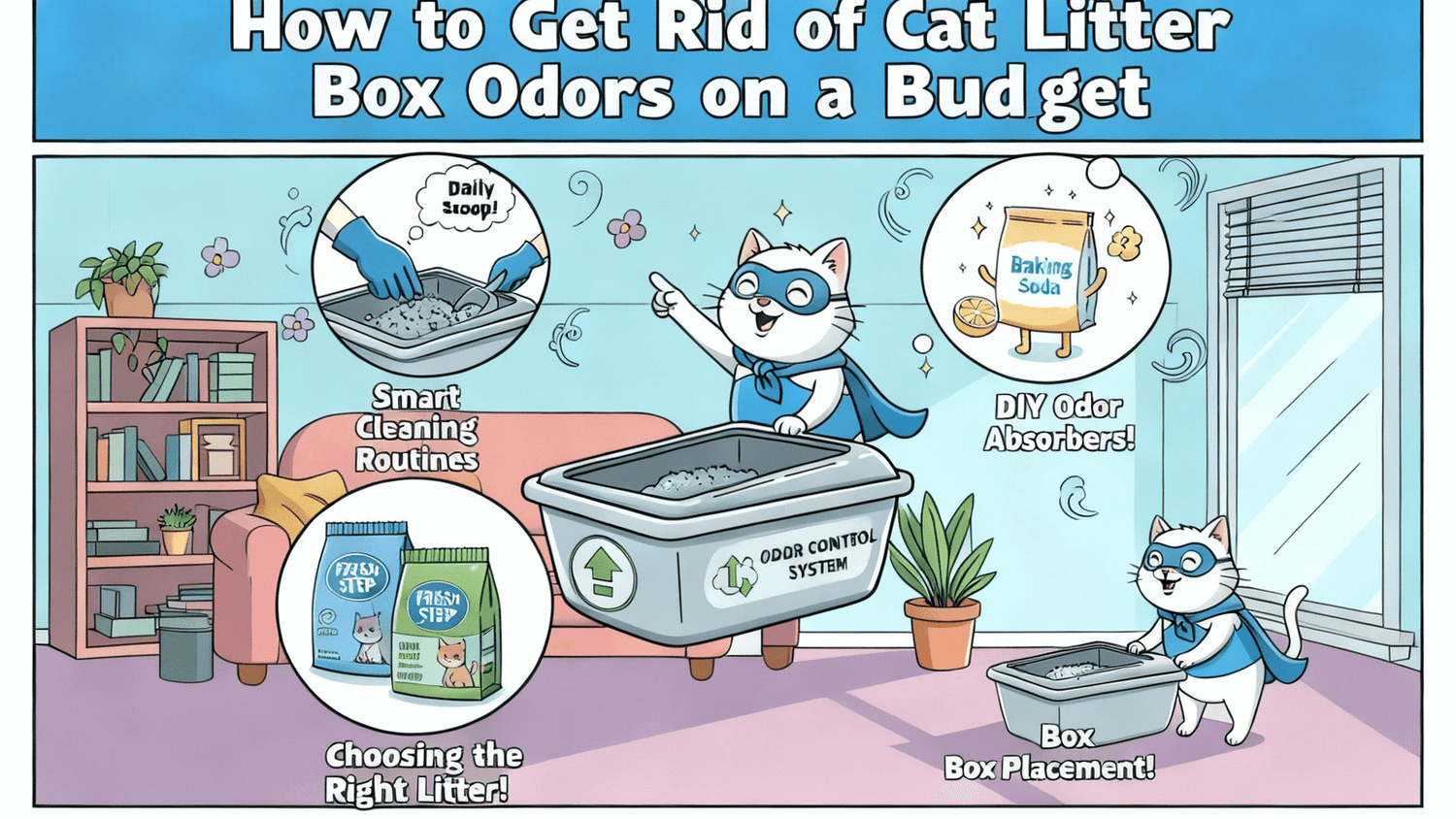
If you're tired of your cozy apartment smelling like a litter box, you're not alone — especially when space is tight and budget matters. One of the smartest, long-lasting investments you can make is a stainless steel box with odor control system. Stainless steel doesn't absorb smells like scratched-up plastic, plus it’s rust-resistant and easy to clean. In this article, we'll walk through low-cost, practical strategies to eliminate litter box odors — from smart cleaning routines, DIY odor absorbers, to choosing the right litter and box placement. By combining a well-built box with thoughtful habits, you can keep your space fresh without breaking the bank.
If you are trying to control litter box odor on a budget, think in two layers: low-cost daily habits for immediate relief, and one durable upgrade that keeps odor from building up again. That is why many cat owners start with better scooping habits and ventilation, then move to a stainless steel cat litter box that is easier to clean and less likely to hold odor over time.
Why Stainless Steel Helps Control Litter Box Odors
Switching to a stainless steel litter box is one of the most effective things you can do for long-term odor control.
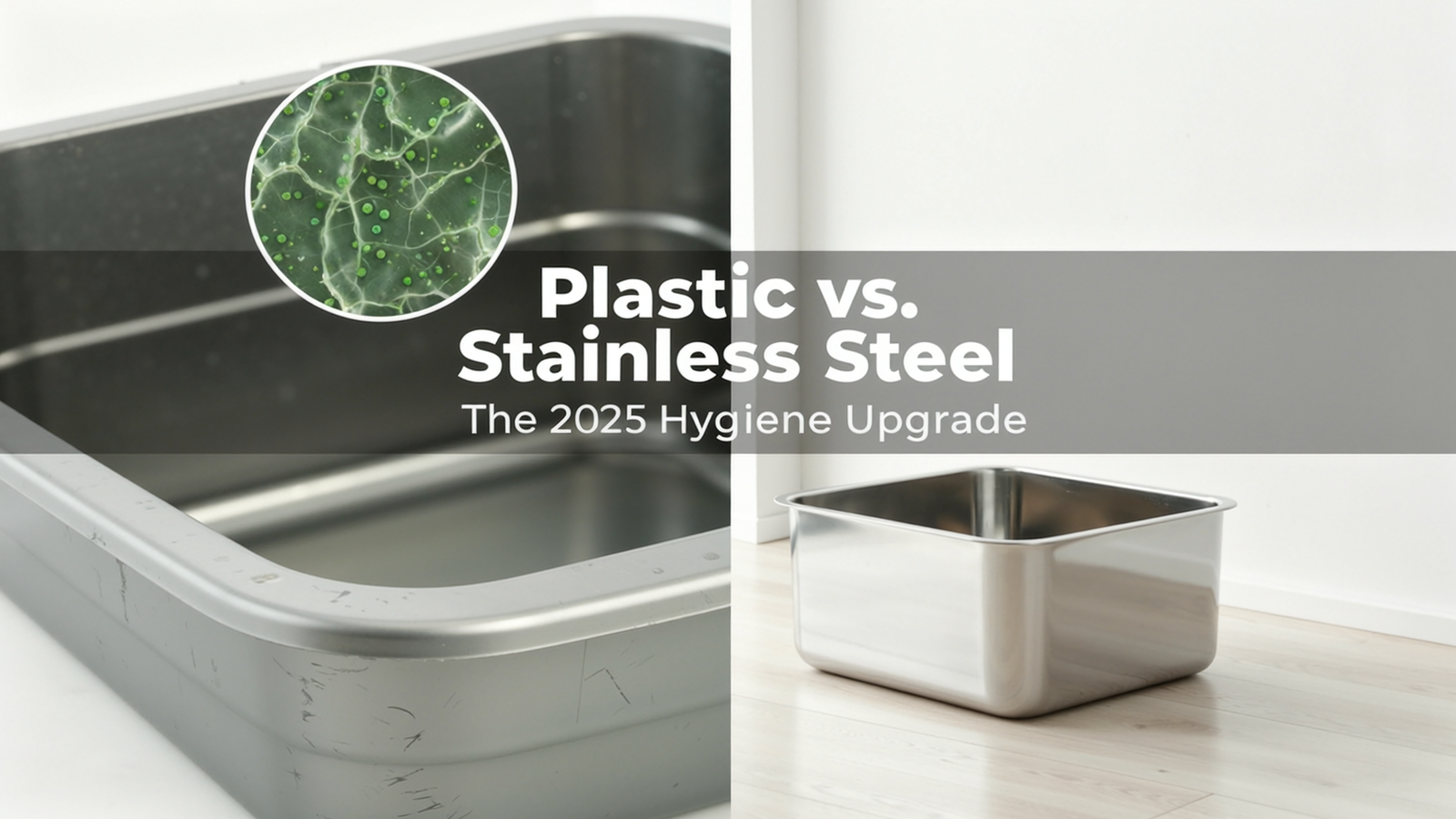
● Non-porous surface: Unlike plastic, stainless steel doesn’t get scratched easily, so there are fewer tiny grooves for bacteria and odor to hide.
● Easier deep cleaning: You can scrub the box with soap and water, rinse thoroughly, and it won’t retain stinky residue.
● Durability: Stainless steel lasts for years, reducing the need to replace scratched, odor-laden plastic boxes.
● Odor resistance: Many stainless steel boxes come with built-in odor-control features — like activated-carbon filters — to trap smells.
If you are still deciding between materials, this stainless steel vs plastic litter box comparison breaks down the long-term odor and cleaning differences.
Daily Habits to Keep Smell in Check
Even with a stainless steel box, daily rituals matter.
1. Scoop Every Day
Scooping waste daily is one of the most effective ways to reduce smell. Urine and feces produce ammonia and other odor-causing compounds — removing them quickly stops the buildup.
2. Top-Up with Fresh Litter
After scooping, add a bit of fresh litter to maintain the right level. This helps absorb moisture and odors before they set in.
3. Spot Clean Weekly
Once a week, dump the litter (or use a liner), wash the steel box with mild soap and warm water, rinse well, and dry it. This deep-cleaning habit prevents grime and lingering smells.

Low-Cost Odor Absorbers You Can Use
Here are wallet-friendly tricks to absorb and neutralize odors around the litter box:
-
Baking Soda: Sprinkle a thin layer at the bottom of the tray before adding litter, or mix a little into the litter itself. Baking soda neutralizes acidic smells like ammonia. Baking soda can help as a short-term odor absorber, but it does not solve the underlying issue if the box itself is hard to clean or already holding odor in worn surfaces.
- Charcoal Pouches: Place activated charcoal sachets around the litter area to passively absorb smells.
- DIY Deodorizer Jar: Mix water, gelatin, baking soda, and a few drops of cat-safe essential oil (optional) to create a gel deodorizer you can set nearby.
- Vinegar Spray: Use a 1:1 mix of white vinegar and water to wipe down your box during full litter changes. Safe, cheap, and effective.
If you are comparing low-cost odor-control options, this cat litter box deodorizer comparison can help you choose what actually works for your setup.

Improving Airflow and Ventilation
Where you place the litter box — and how air moves around it — affects odor more than many realize.
● Choose a Ventilated Spot: Put the box in an area with good airflow, not a closed-off corner.
● Use a Fan or Air Purifier: A small fan or an air purifier with a carbon filter can dramatically reduce lingering smells.
● Odor-Absorbing Mat: Use a mat under or around the box made of rubber or charcoal materials to catch stray litter and absorb smells.
Choose the Right Litter to Boost Odor Control
Even the best box won’t help if your litter isn’t doing its job.
● Clumping Litters: High-quality clumping litters can trap moisture tightly, making cleanup easier and reducing odors.
● Litters with Odor Neutralizers: Look for litters with baking soda, activated carbon, or enzyme formulas — they’re low-cost and very effective.
● Change Litter Regularly: Even with daily scooping, replace all the litter every 1–2 weeks (or more often if you have multiple cats).

Long-Term Strategies & Smart Upgrades
If you have a little room in your budget, these upgrades make a big difference:
● Invest in a Quality Stainless Steel Box
Over time, the cost pays off. Boxes like the PalNests Stainless Steel Cat Litter Box offer great value, durability, and built-in odor resistance.
● Use Litter Box Liners:
Liners (paper or plastic) make litter removal easier and reduce residue sticking to the box, helping with odor in the long run.
● Rotate Wood or Pellet Litters:
Some owners use wood-based or pellet litters (if compatible) for their natural odor absorption.
● Monitor for Health Issues:
A sudden spike in litter-box smell can indicate a health problem (like a UTI). Stay alert and talk to your vet if things change.
Why Your Budget-Friendly Setup Can Still Outperform Basic Plastic Boxes
● Stainless steel lasts longer and doesn’t trap odors like scratched plastic.
● You're combining smart habits (daily scooping, cleaning) with passive odor absorbers (baking soda, charcoal).
● Low-cost upgrades like liners or a better litter dramatically improve performance.
● Using a box with built-in odor control (like carbon filters) gives you more bang for your buck over time.
When Cheap Fixes Stop Working
If you are scooping every day, changing litter regularly, and still fighting odor, the problem may no longer be your routine. In many homes, the box material becomes the limiting factor. Scratched plastic can hold residue and smell over time, while a stainless steel cat litter box is easier to wipe clean and maintain. If you want a longer-lasting odor-control setup, start by comparing a stainless steel litter box with your current plastic one and choose the option that fits your cat, your space, and your budget.
Conclusion & Next Steps
Getting rid of litter box odors doesn’t require a fancy, automatic cat toilet. By choosing an odor control stainless steel box, cleaning regularly, using affordable odor absorbers, and improving airflow, you can keep your space fresh — even in a small apartment. This isn’t about “just masking the smell” — it’s about preventing it for good. Start with daily scooping, add a sprinkle of baking soda or a charcoal pouch, and, when you’re ready, upgrade to a steel box designed for odor resistance. Your space (and your nose) will thank you.


Leave a comment
This site is protected by hCaptcha and the hCaptcha Privacy Policy and Terms of Service apply.