
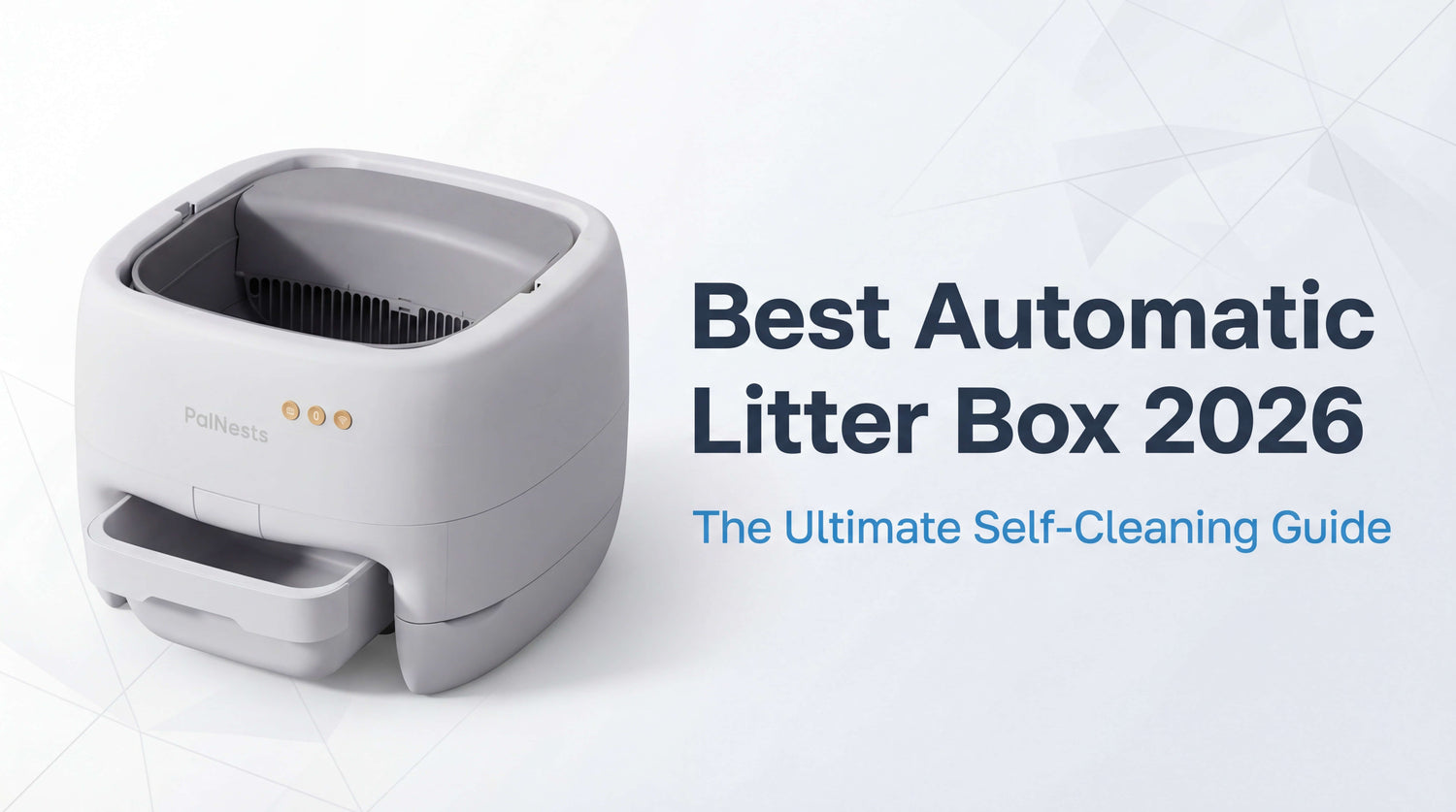
Let’s be honest: nobody actually enjoys scooping a litter box. For decades, cat parents have accepted the "scoop-and-sniff" routine as an inevitable tax for the joy of feline companionship. But as we step into 2026, pet technology has reached a tipping point. The best automatic litter box 2026 models aren't just fancy motorized pans; they are sophisticated health-monitoring hubs that promise to eliminate odors and give you back hours of your life.
Whether you are a first-time cat owner or a veteran pet parent looking to upgrade, navigating the world of self-cleaning litter box reviews can be overwhelming. With prices ranging from $200 to over $700, how do you know which one is worth the investment? This comprehensive guide will break down everything you need to know about the latest innovations, safety standards, and performance metrics in the world of automatic pet care.
Why 2026 is the Year to Upgrade to a Self-Cleaning Litter Box
The pet tech industry has seen a massive shift over the last two years. Older models were often criticized for being noisy, difficult to deep-clean, or—worst of all—unsafe. In 2026, the focus has shifted toward Whisper-quiet operation, AI-driven health data, and multi-sensor safety redundancies.
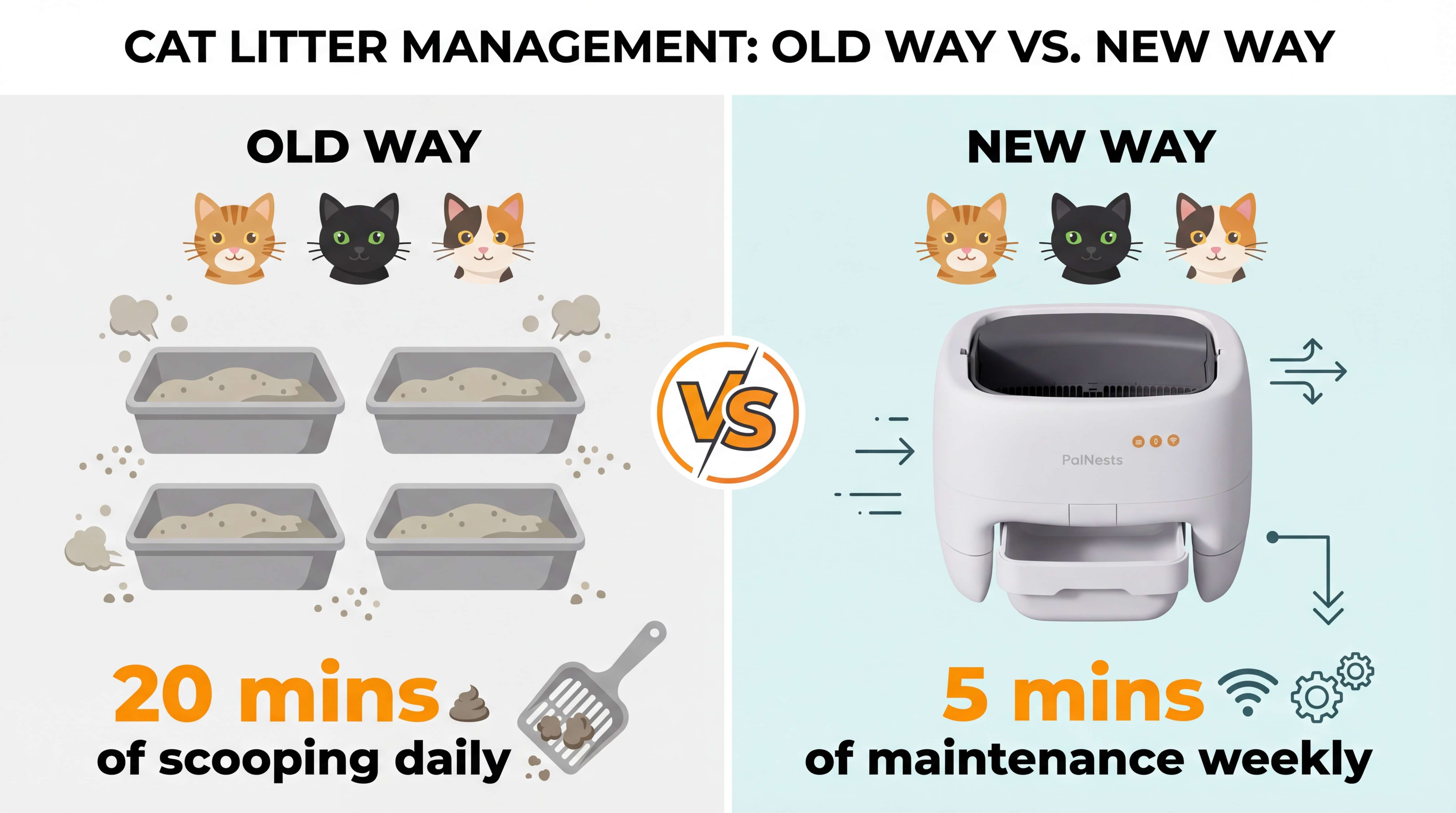
Buying an automatic litter box is no longer just about convenience; it’s about hygiene. Modern units significantly reduce the time waste sits open in your home, which means fewer bacteria and much less ammonia smell. For busy professionals in the US, this is the ultimate "set it and forget it" solution for a fresh-smelling apartment.
How Does an Automatic Litter Box Work? (The 3 Core Technologies)
Understanding the "how" helps you choose the right "which." Not all self-cleaning mechanisms are created equal.
Rotating Drum Systems (The Industry Standard)
This is the most popular design in 2026. The entire globe rotates, using gravity to sift the clean litter through a screen while dropping the clumps into a sealed waste drawer below.
● Pros: Highly efficient, works with most clumping litters, and usually has the best odor sealing.
● Best for: Multi-cat households.
Raking Mechanisms (The Classic Approach)
A motorized rake moves through the litter bed after your cat exits, pushing clumps into a hidden compartment at one end.
● Pros: Generally more affordable and has a smaller footprint.
● Best for: Single, smaller cats and budget-conscious owners.
Sifting Platforms (The New Contender)
These models use a tilting or sifting tray that moves back and forth. They are often designed to look more like traditional furniture.
● Pros: Very quiet and less intimidating for "scaredy cats."
Critical Safety Features: Protecting Your Cat in 2026
Safety is the #1 concern for every cat parent. When reading self-cleaning litter box reviews, always look for Multi-Sensor Redundancy.
1. Weight Sensors: The machine should never move if it detects weight inside the globe.
2. Infrared "Curtain" Sensors: These act like garage door sensors, stopping the cycle immediately if a cat even pokes its head into the opening.
3. Anti-Pinch Structural Design: 2026's top-tier models (like the upcoming PalNests series) utilize designs where there are no "pinch points" that could trap a cat during rotation.
Unique Insight: In 2026, the "Gold Standard" for safety is the Automatic Stop & Reverse feature. If the motor feels any resistance, it immediately stops and rolls back, ensuring absolute peace of mind.
Smart Features: AI Health Monitoring and App Connectivity
The modern best automatic litter box 2026 is essentially a health clinic in your laundry room. Through Wi-Fi-connected apps, you can now track:
● Frequency of visits: Sudden increases can warn you of UTIs or kidney issues.
● Weight tracking: Crucial for monitoring senior cats or those on a diet.
● Litter levels: Get a notification on your iPhone when it’s time to top up.
Factors to Consider Before Buying (The Buyer’s Checklist)
Before you hit "Add to Cart," consider these three things:
● Cat Size: Does the interior globe allow a 15lb Maine Coon to turn around comfortably?
● Litter Compatibility: Some brands force you to buy expensive, proprietary "trays." Look for a model that works with standard clumping clay litter to save hundreds of dollars a year.
● Odor Control: Does it use carbon filters, UV light, or ionizers? In 2026, UV-C light sterilization is the premium choice for killing bacteria.
How to Transition Your Cat to a New Automatic Box
Don't throw away the old box on day one! Cats are creatures of habit.
1. The "Power Off" Phase: Place the new box near the old one but leave it turned off for 2-3 days so they can sniff it.
2. The "Old Litter" Trick: Add a scoop of their old, clean litter into the new machine so it smells familiar.
3. The Reward: Use treats every time they show interest in the new device.
Quick Takeaways: Key Points
● Safety First: Only buy models with at least two types of sensors (Weight + Infrared).
● Odor Control: Look for sealed waste drawers and UV sterilization.
● Cost Savings: Choose a machine that works with any clumping litter to avoid "subscription traps."
● Health: Use the app data to monitor your cat’s bathroom habits for early disease detection.
● Maintenance: Expect to deep-clean the globe once every 1-3 months, depending on the number of cats.
Conclusion: Embracing the Future of Pet Care
Transitioning to a self-cleaning litter box is one of the single best investments you can make for your home and your cat's hygiene. As we’ve seen in our best automatic litter box 2026 analysis, the technology has matured from a luxury "gadget" to an essential household appliance. By prioritizing safety, ease of maintenance, and smart health features, you’re not just skipping a chore—you’re providing a cleaner, more consistent environment for your feline friend.
While the market is full of options, the future belongs to designs that put cat safety and owner convenience on equal footing. Keep an eye out for upcoming innovations that push these boundaries even further.
FAQ: Your Top Questions Answered
Q1: Will an automatic litter box work for a large cat?
A: Yes, but you must check the interior diameter. Look for "Large Capacity" models specifically designed for cats up to 18-20 lbs.
Q2: Are automatic litter boxes noisy?
A: Most 2026 models operate under 45dB—similar to a quiet refrigerator. They won't wake you up at night.
Q3: Can I use any litter in a self-cleaning box?
A: Most rotating models require high-quality clumping clay litter. Avoid non-clumping or lightweight litters unless the manual specifically allows them.
Q4: Is it safe for kittens?
A: Most manufacturers recommend waiting until a kitten weighs at least 3-4 lbs so the weight sensors can accurately detect them.
Q5: How often do I empty the waste drawer?
A: For a single cat, typically once every 7-10 days. For multiple cats, every 3-5 days.

Leave a comment
This site is protected by hCaptcha and the hCaptcha Privacy Policy and Terms of Service apply.